
DHL Adds Transpacific Air Capacity for Amazon FBA Shipping

New Transpacific Air Service
DHL Global Forwarding has expanded its transpacific air network with a dedicated service from Bangkok Suvarnabhumi Airport to its Cincinnati hub. Supply Chain Dive reported the development on July 15, within DHL’s broader effort to add controlled capacity between Asian manufacturing centers and the United States.
The route started operating on July 1. It complements DHL flights from Hanoi and Taipei to U.S. gateways including Chicago, widening the available network for time-sensitive cargo moving from Asia.
Schedule and Capacity
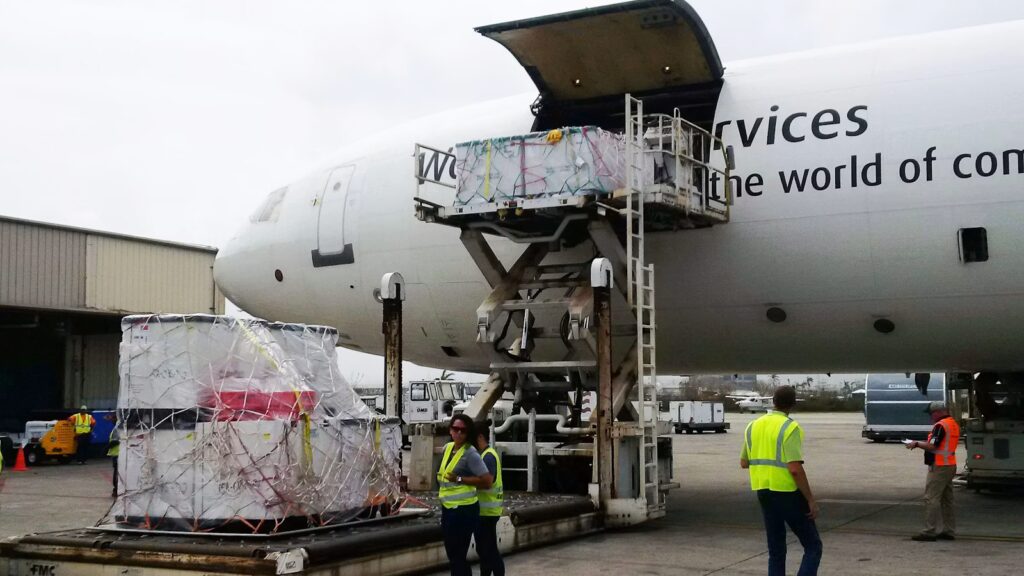
The Bangkok-Cincinnati service operates three times a week with a Boeing 777 freighter. Each flight provides 100 metric tons of cargo capacity. DHL said the dedicated operation is intended to give shippers more stable schedules and more predictable costs.
The aircraft can handle oversized and high-value shipments as well as standard air cargo. Technology products are a major source of current demand from Southeast Asia, according to DHL.
Impact on Amazon FBA Shipping
For Amazon FBA sellers, the added capacity creates another option for urgent replenishment into the United States when ocean transit is too slow. It may be useful for compact, high-value inventory, launch stock or products at risk of going out of stock.
The service does not depart from mainland China. China-based sellers would need inventory produced in Southeast Asia or a compliant regional consolidation plan before using the Bangkok gateway. Total cost should include origin trucking, export handling, U.S. customs clearance and delivery to the assigned Amazon fulfillment center.
Planning Priorities
Air capacity remains under pressure. Supply Chain Dive cited Xeneta data showing Asia-Pacific-to-North America demand rose 7% year over year in June, while transpacific spot rates jumped more than 40% from late February to the final week of June.
FBA sellers should compare the full landed cost of air freight against the sales and ranking risk of an inventory gap. Booking space before stock reaches a critical level leaves more room to choose between air, ocean and split-shipment strategies.