
Amazon Florida Fulfillment Center Closure Changes FBA Inbound Planning

Port St. Lucie Closure
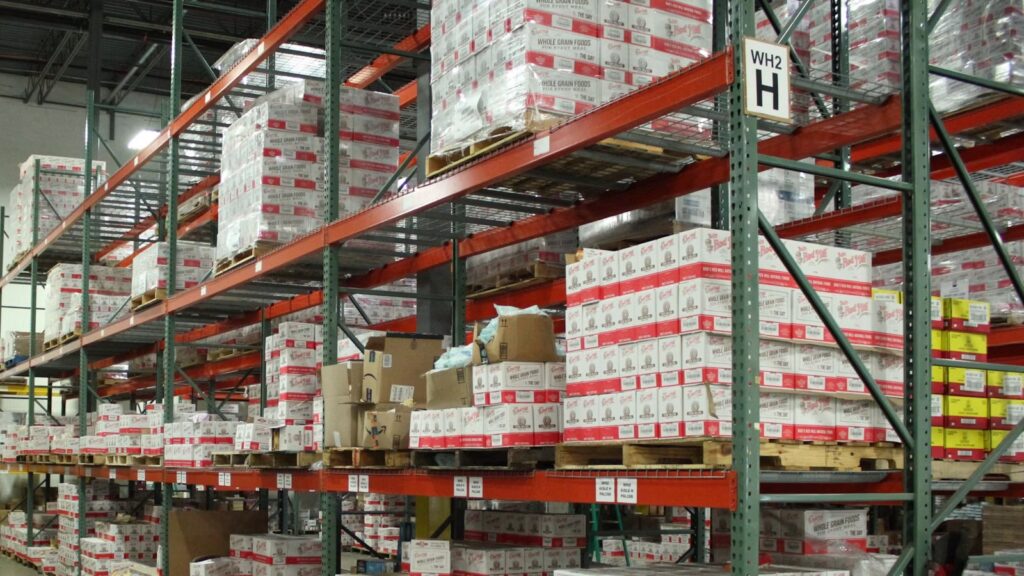
Amazon will temporarily close its distribution facility in Port St. Lucie, Florida, to renovate the site, Supply Chain Dive reported on July 20. Operations are scheduled to stop on September 17.
The closure will affect 494 employees, according to a July 15 Worker Adjustment and Retraining Notification notice. Separations are scheduled for September 17 or December 17. Amazon said employees who accept internal transfers before separation will not be laid off.
Conversion to Fulfillment Operations
Amazon plans to convert the existing distribution site into a sortable fulfillment center. In that format, employees pick, pack and ship customer orders. The change is part of Amazon’s continuing adjustment of its U.S. warehouse network, which includes closing some sites while renovating or building others.
Amazon is also pursuing more automated capacity elsewhere, including a planned robotics-equipped sorting warehouse in Texas, according to Supply Chain Dive.
Impact on the Amazon FBA Inbound Process
The report does not state that the Port St. Lucie site is an FBA receiving center. Its scheduled shutdown is still a useful reminder that Amazon’s network can change at the facility level while sellers are moving inventory from China to the United States.
For the Amazon FBA inbound process, a shipment is not complete when it leaves China. The seller also needs the current shipment destination, appointment or carrier requirements, customs status and receiving timeline to remain aligned with Amazon’s instructions.
Seller Planning Actions
Before dispatching a time-sensitive shipment, China sellers should recheck the active shipment plan in Seller Central, confirm the assigned fulfillment center and allow time for U.S. inland delivery and receiving. If Amazon changes a destination, the seller should update the logistics plan instead of sending cartons to an outdated address.
For holiday or launch inventory, keeping a small timing buffer and tracking the check-in date helps separate a transit delay from an Amazon receiving delay.