E-commerce News

Rising Air Freight Costs Pressure China E-commerce Shipping Model

By JiuFang Logistics
June 8, 2026

What Happened

China’s low-cost cross-border e-commerce export model is facing pressure as air shipping costs rise and demand from Western consumers softens, according to Reuters. The report focused on platforms and sellers that rely on direct air shipment from Chinese factories to overseas shoppers.

Why Air Shipping Costs Are Rising

Reuters reported that logistics costs have increased as jet fuel prices and air cargo expenses remain elevated. DHL Express has also published high fuel surcharge levels for early June, including export and import surcharges for the week of June 8-14, 2026.

IATA said Middle East disruptions and high fuel prices have sharply reduced the airline industry’s 2026 profitability outlook, adding cost pressure across passenger and cargo aviation networks.

Impact on China E-commerce Exports

Reuters reported that China’s low-cost e-commerce exports fell 10.9% in April 2026, marking the fifth consecutive year-on-year monthly decline. Higher logistics costs are pushing some sellers to raise prices, while platforms are reassessing direct-from-China air shipment for low-value goods.

The shift is especially relevant for sellers serving the United States, the United Kingdom and Europe, where demand sensitivity, delivery speed and landed cost all affect online conversion.

What Sellers Should Consider

Sellers shipping from China should review whether every order needs direct air delivery. For slower-moving or bulk inventory, ocean freight, consolidated air freight, overseas warehousing and local fulfillment may reduce per-unit logistics cost.

For urgent inventory, air freight remains useful, but sellers should calculate fuel surcharges, product margin and expected delivery time before confirming shipment plans.


Air or Ocean Freight from China: How Importers Should Decide During a Rate Spike

By JiuFang Logistics
June 5, 2026

Market Context

Container shipping costs moved sharply higher in early June. Drewry reported a 23% weekly rise in its World Container Index on June 4, driven by stronger Transpacific and Asia-Europe spot rates.

Air freight also remains exposed to operating-cost pressure. Reuters reported that airline leaders were preparing to discuss fuel shocks, route detours and rising costs at the IATA annual summit. IATA’s April 2026 air cargo data also showed international cargo traffic expanded 4.0% year on year, led by Asia-Pacific carriers.

When Ocean Freight Still Makes Sense

Ocean freight remains the better choice for heavy, bulky or lower-margin goods when the delivery deadline allows a longer transit time. It is also suitable for full-container replenishment, palletized inventory and stable Amazon FBA or warehouse restocking plans.

When Air Freight Is Worth the Cost

Air freight is usually better for urgent replenishment, high-value goods, small-volume shipments, seasonal products and products at risk of stockout. The higher freight cost may be justified if a delay would cause lost sales, marketplace penalties or missed launch windows.

A Hybrid Strategy for E-commerce Sellers

Many sellers should avoid choosing only one mode. A practical approach is to send urgent inventory by air while moving the larger replenishment volume by ocean. This keeps listings active while controlling the total logistics cost.

Booking Checklist

  • Confirm cargo weight, volume and carton count.
  • Check the required delivery date and stockout risk.
  • Compare air freight, LCL and FCL landed costs.
  • Confirm Amazon FBA, Walmart WFS or private warehouse delivery requirements.
  • Book space earlier when spot rates and capacity are moving quickly.


What's Ocean Freight ?

By Lake | November 17, 2021

Ocean freight,also called Sea Freight,Seaway, is the method of transporting goods through the seaway.

It is an important part of cross-border trade that lets people move massive amounts of goods between countries.

The most common way for ocean freight is called Container Shipping,technically named containerization. With this option, Cargo are shipped using containers with standard sizes of 20GP,  40GP, 40HQ, 45HQ.

The below table provides measurements for the most commonly used shipping containers. 

Type Code

Container Type

Length (Internal)

Width (Internal)

Height (Internal)

Capacity (m3/CBM) Based on real loading data)

20FT/20GP

20′ Standard Dry Container

5,896 mm

2,350 mm

2,393 mm

26~28 CBM

40FT/40GP

40’ Standard Dry Container

12,032 mm

2,350 mm

2,393 mm

56~58 CBM

40HQ

40’ High Cube Dry Container

12,032 mm

2,350 mm

2,698 mm

66~69 CBM

45HQ

45’ High Cube Dry Container

13,556 mm

2,350 mm

2,698 mm

78~82 CBM

There are two types of shipment in Ocean Freight –FCL & LCL.

The shipping company advises you on whether your shipment needs an LCL or FCL shipment. 

FCL (Full Container Load), is suitable for goods that are huge enough to be transported in one whole container. The goods fill the entire container. If you opt for FCL, you get a dedicated container to transport your goods.

LCL (Less Than Container Load) ,are best suited for goods that are not big/more enough to fill a whole container. So the goods are loaded and transported in a shared container with other people’s shipments. The forwarder/logistics company will provide these LCL seaway service.

JiuFang Logistics is expert in providing FCL and LCL shipping service.


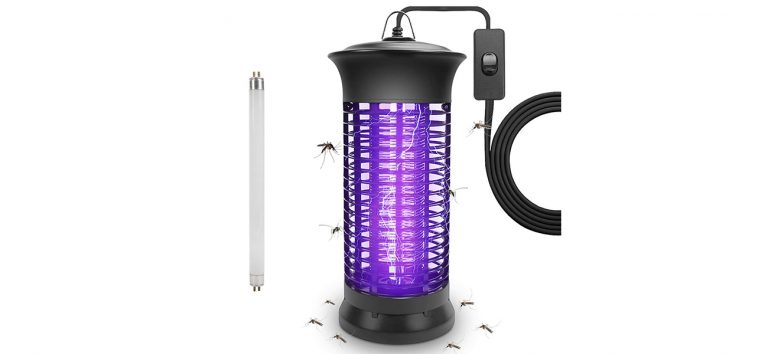
How to ship mosquito repellent lamps

By Lemon | November 11, 2021

There are bunches of mosquito repellent lamps sold on Amazon. Do you know the requirements for the transportation of such products?

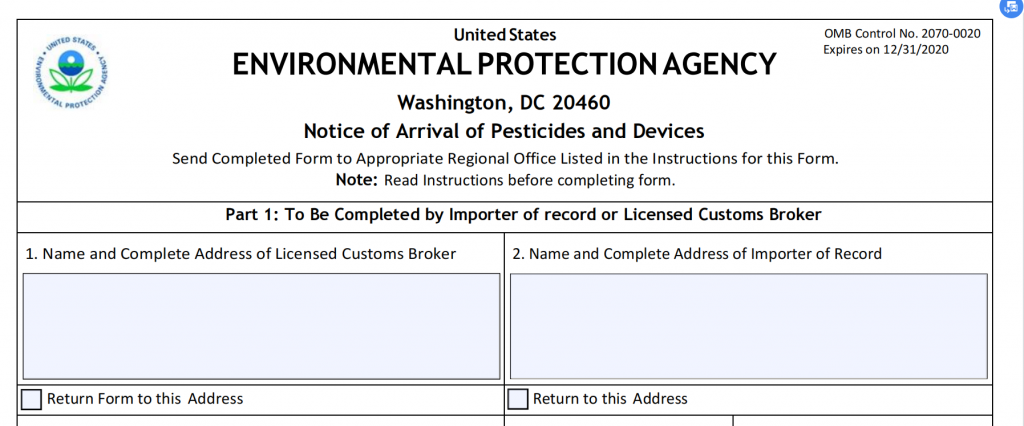
Required: According to U.S Environmental Protection Agency (EPA) regulations, to import mosquito repellent lamps to the United States, you (we) should do EPA certification.

EPA certification process:

  1. Apply to the EPA for the manufacturer code;
  2. Prepare product information and samples;
  3. Carry out product testing in the laboratory to prove that it meets the standards;
  4. The manufacturer cooperates with the provision of information, and we are responsible for preparing a complete certification application;
  5. Submit certification application and test data to EPA;
  6. EPA review materials (during the review process, EPA will determine whether additional information is required and whether verification testing is required based on the provided materials and test data);
  7. Pass the review and issue the certificate (EPA certificate is an annual certificate, and the certificate will expire on December 31 of the year when the certificate is generated or the specific model year. The specific expiration date shall be the earlier date of the two.)


How to ship the candle into USA

By Kyrie | November 05, 2021

Candles are a very popular product that can be used everywhere, at home or at parties.
It’s one of fast-selling goods in Amazon and TikTok, do you know how to import the goods into the USA?
Please check the details from the goods I handled as below: 

  • Commodity name: Candle
  • HS code: 3406000090

Because candles are flammable products, there are many requirements during transportation.

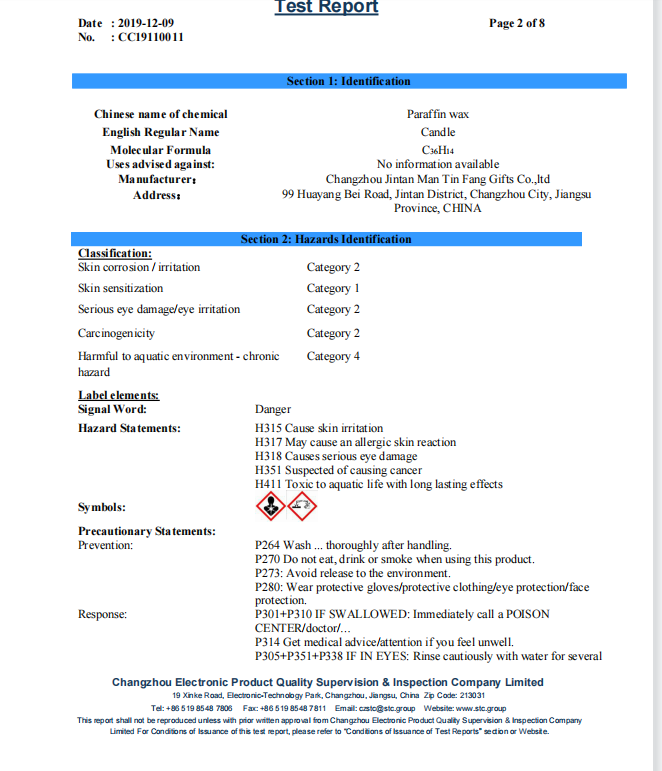
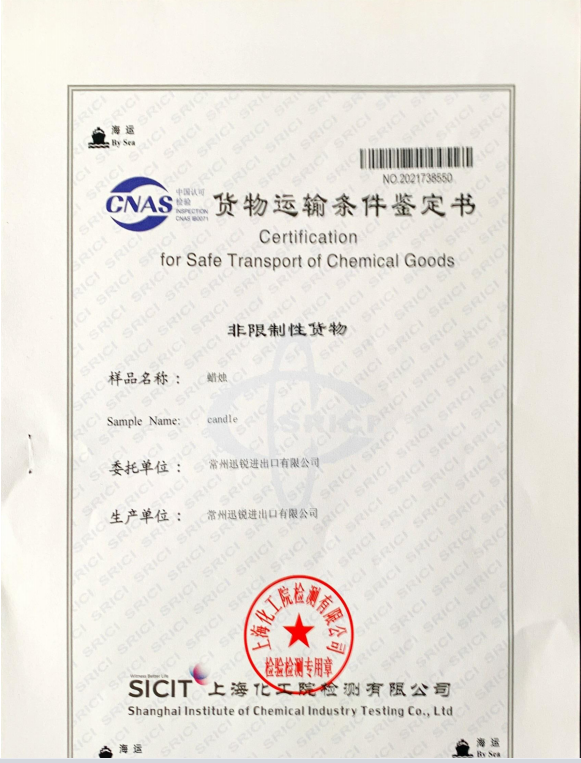
By Sea, you need the MSDS and China Maritime Transportation appraisal report.

By Air, For HONGKONG you need the MSDS, For China you need the China Air Transport appraisal report.

Any other info about Candle shipments required,please contact with Jiufang Logistics, as the professional E-commerce Logistics Forwarder and Amazon FBA Prep logistics company, will provide you the professional suggestions and solutions.




All You Needs To Know About "CE"​

By Angel | November 01, 2021

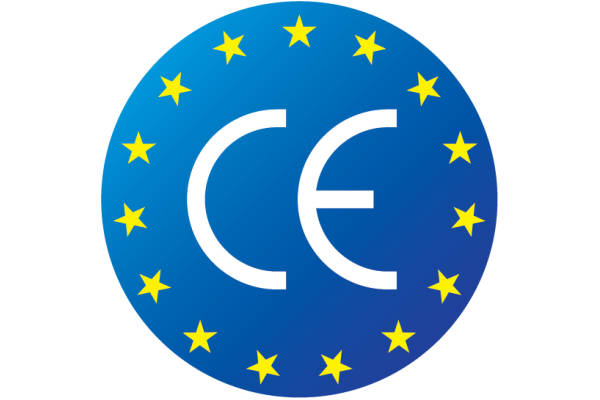
More and more E-shop sellers are focusing on European markets, and selling their goods in Europe, and the most common certificates are asked by the E-commerce logistics forwarders is CE certificate.

Do you know what’s the “CE” ?

The letters ‘CE’ appear on many products traded on the extended Single Market in the European Economic Area (EEA). They signify that products sold in the EEA have been assessed to meet high safety, health, and environmental protection requirements. 

When you buy a new phone, a teddy bear, or a TV within the EEA, you can find the CE mark on them. CE marking also supports fair competition by holding all companies accountable to the same rules.

By affixing the CE marking to a product, a manufacturer declares that the product meets all the legal requirements for CE marking and can be sold throughout the EEA. This also applies to products made in other countries that are sold in the EEA.

There are two main benefits CE marking brings to businesses and consumers within the EEA:

  • Businesses know that products bearing the CE marking can be traded in the EEA without restrictions.
  • Consumers enjoy the same level of health, safety, and environmental protection throughout the entire EEA.
  • CE marking is a part of the EU’s harmonization legislation, which is mainly managed by Directorate-General for Internal market, Industry, Entrepreneurship and SMEs. The CE marking for Restriction of Hazardous Substances is managed by Directorate-General for Environment. Comprehensive guidance on the implementation of EU product rules can be found in the so-called Blue Guide.
  • This website provides information for manufacturers, importers and distributors on their responsibilities when placing a product on the EEA market.  It also informs consumers about the rights and benefits that CE marking brings them.
  • If you’re looking for information on CE marking in your country, contact the Enterprise Europe Network or check the list of contact points in the EEA.
What product needs CE mark?
 
  • Active implantable medical devices
  • Appliances burning gaseous fuels
  • Cable way installations designed to carry persons
  • Construction products
  • Ecodesign of energy related products
  • Electromagnetic compatibility
  • Equipment and protective systems intended for use in potentially explosive atmospheres
  • Explosives for civil uses
  • Hot-water boilers
  • In vitro diagnostic medical devices
  • Lifts
  • Low voltage
  • Machinery
  • Measuring Instruments
  • Medical devices
  • Noise emission in the environment
  • Non-automatic weighing instruments
  • Personal protective equipment
  • Pressure equipment
  • Pyrotechnics
  • Radio equipment
  • Recreational craft
  • Restriction of Hazardous Substances in Electrical and Electronic Equipment
  • Safety of toys
  • Simple pressure vessels
IMPORTANT NOTE:
Not all products must have CE marking. It is compulsory only for most of the products covered by the New Approach Directives. It is forbidden to affix CE marking to other products.
Please note that a CE marking does not indicate that a product have been approved as safe by the EU or by another authority. It does not indicate the origin of a product either.
 
Manufacturers
Manufacturers play a crucial role in ensuring that products placed on the extended single market of the European Economic Area (EEA) are safe. They are responsible for checking that their products meet EU safety, health, and environmental protection requirements. It is the manufacturer’s responsibility to carry out the conformity assessment, set up the technical file, issue the EU declaration of conformity, and affix the CE marking to a product. Only then can this product be traded on the EEA market.
If you are a manufacturer, you have to follow these 6 steps to affix a CE marking to your product:
  • Identify the applicable directive(s) and harmonized standards
  • Verify product specific requirements
  • Identify whether an independent conformity assessment (by a notified body) is necessary
  • Test the product and check its conformity
  • Draw up and keep available the required technical documentation
  • Affix the CE marking and draw up the EU Declaration of Conformity (27 KB).
These 6 steps may differ by product as the conformity assessment procedure varies. Manufacturers must not affix CE marking to products that don’t fall under the scope of one of the directives providing for its affixing.
For products that present higher safety risks such as gas boilers, safety cannot be checked by the manufacturer alone. In these cases, an independent organisation, specifically a notified body appointed by national authorities, has to perform the safety check. The manufacturer may affix the CE marking to the product only once this has been done.
 
Any other info about CE marking, please contact with Jiufang Logistics, as the professional E-commerce Logistics Forwarder and Amazon FBA Prep logistics company, will provide you the professional suggestions and solutions. 



How to ship internal Lithium Battery goods (lower than 100WH)

By Riva | October 28, 2021

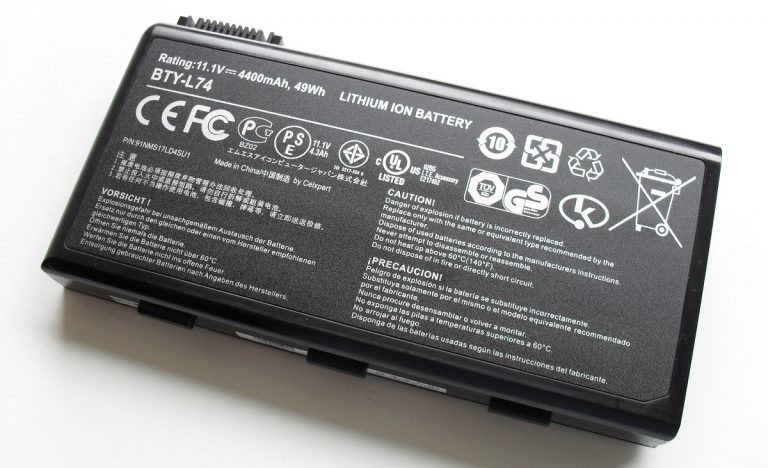
There’re many Batteries contained shipments selling in Amazon or Walmart, do you ever know the shipping requirements for batteries shipments?                                                                        

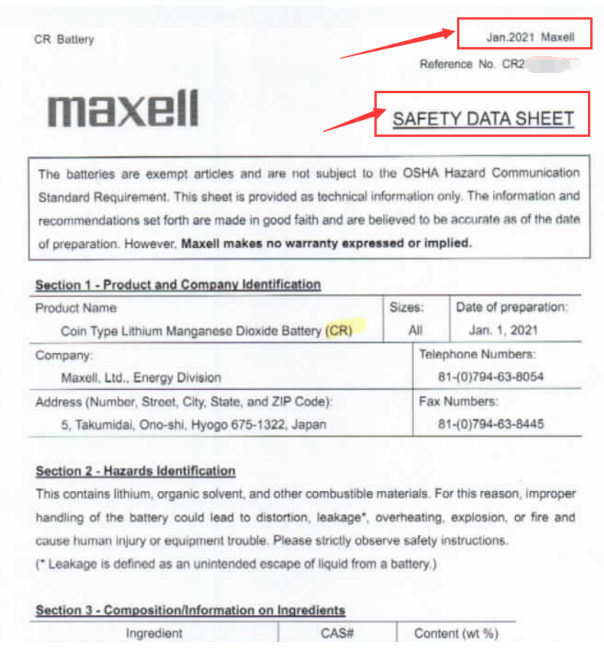
For the goods contained Lithium Batteries(lower than 100WH), Please send us two documents as below(you can get it from your suppliers): 

We need to send it to the Shipping Line to check, normally 3-4 working days to get reverts.

1. MSDS Mentioned point:

  • Available expiry, it needs to update every year.
  • Detected by Qualified Institution.

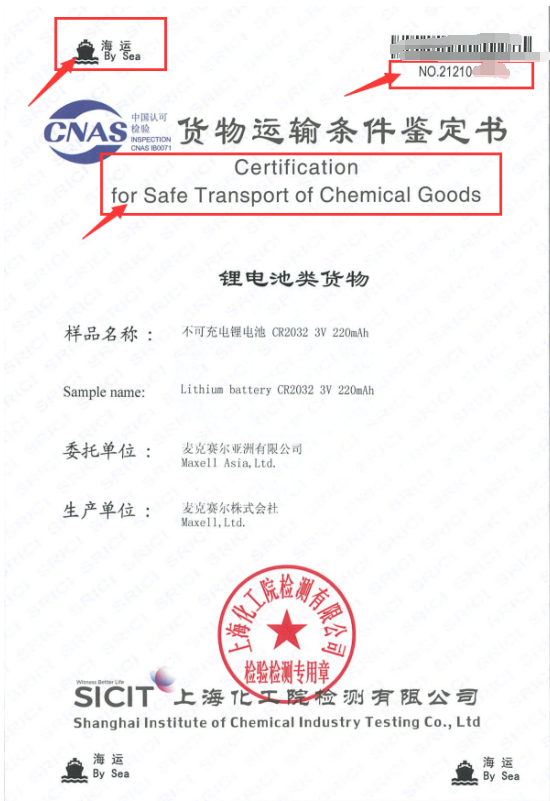
2. Certificate for safe transport of chemical goods (in Chinese) Mentioned points:

  • It is needed for shipments export from China.
  • Available expiry.
  • If ship by Sea, it should have words showed “by Sea” in the report.
  • This report is in Chinese.
Any other requirements, please contact with us, Jiufang Logistics, as the professional E-commerce Logistics Forwarder and Amazon FBA Prep logistics company, will provide you the professional suggestions and solutions.


How To Ship The Kitchenware?​

By Catherine | October 27, 2021

There’re millions of kitchenware selling on Amazon, Ebay and Walmart, do know about the USA requirements about the Kitchenware? Required:

As the U.S. Food and Drug Administration (FDA) rules requires, Import Kitchenware to USA, you(we) should do the FDA Declaration. (FDA declaration Fee: USD 60/BILL)

What is FDA declaration?

Recognition is the process whereby the FDA identifies standards to which manufacturers of medical devices may submit a declaration of conformity to demonstrate they have met relevant requirements in the Federal Food, Drug, and Cosmetic Act (FD&C Act). … The FDA usually performs the activity at least twice annually.

Any other info about FDA declaration,please contact with Jiufang Logistics, as the professional E-commerce Logistics Forwarder and Amazon FBA Prep logistics company, will provide you the professional suggestions and solutions.



How To ship Sports Helmets from China to USA

By Ann | October 25, 2021

Massage gun, also named percussion gun, muscle massage, sports massager, is the mobility device that makes use of an oscillating attachment to physically target areas of the body with rapid pulses.

It’s one of fast-selling goods in Amazon and Tiktok, do you know how to import the goods into USA?

Please check the details from the goods I handled as below:

Commodity name: Massage gun/massager

  • HS code: 9019101000
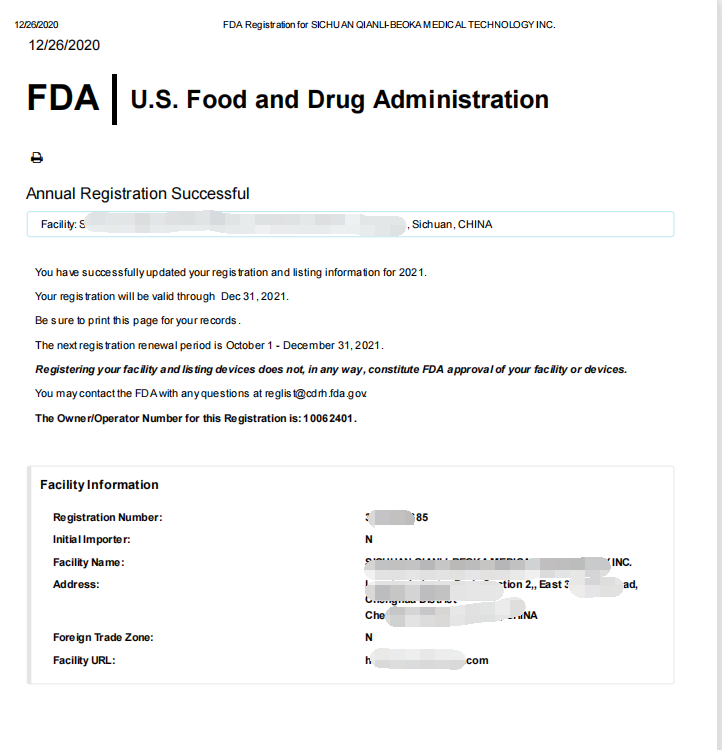
  • Requirement in U.S: FDA certificate 
  • FDA declaration Fee: USD 60/BILL

If the goods contained the batteries, the MSDS and Batteries testing reports will be required also.

You will find the requirements of Batteries shipments on our website.

The sample of FDA certificate: 


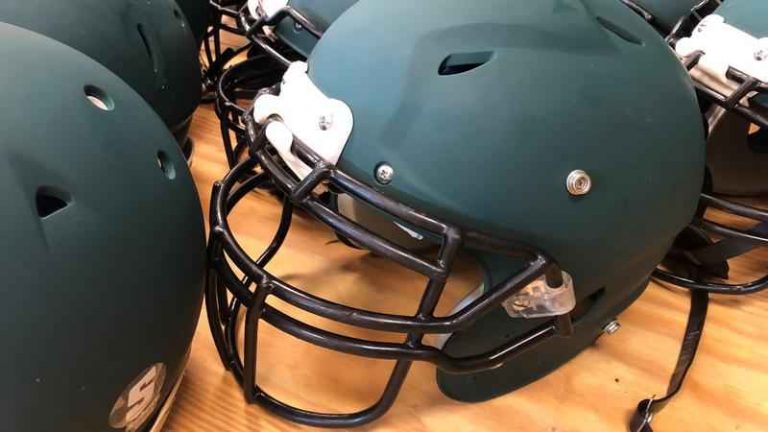
How To ship Sports Helmets from China to USA

By Lake | September 22, 2021

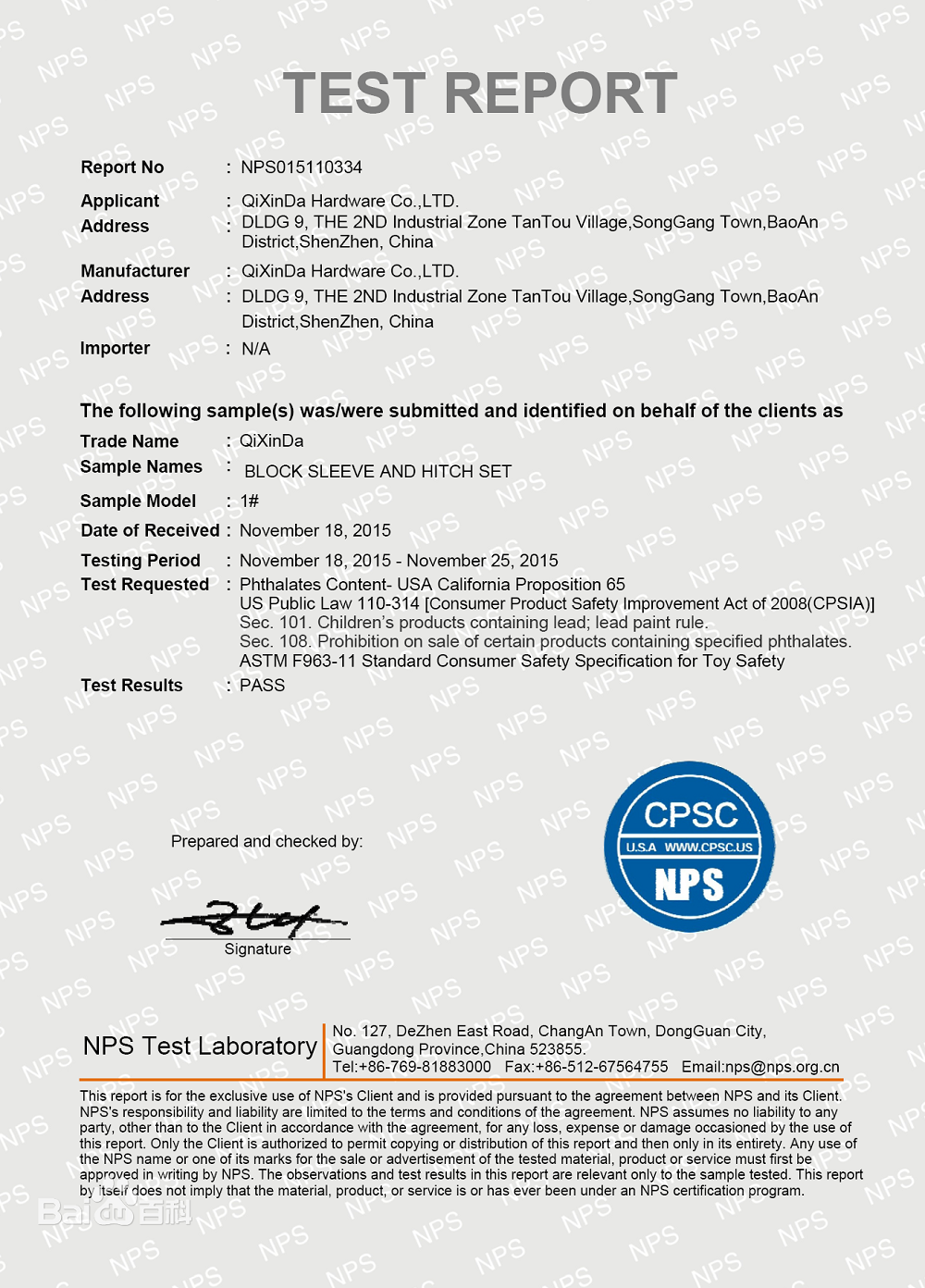
Certificate required: As the CBP USA and rules required, to import Sports helmets to USA, you should have the CPCS certificate/CPCS TEST REPORT.

The example as below:

About CPSC: CPSC = Consumer Product Safety Committee, USA

Rules Requiring a General Certificate of Conformity (GCC) – General Use/Non-Children’s Products

Manufacturers and importers of general use products (i.e., non-children’s products) for which consumer product safety rules apply, must certify in a General Certificate of Conformity (GCC) that their product(s) comply with all applicable rules. A manufacturer or importer of such a product must support its GCC with records from a test of each product or a reasonable testing program.

Below is a list of rules that require the issuance of a GCC.  See our web pages on reasonable testing programs and GCCs for more information.  

Note 1:  The use of CPSC-accepted testing laboratories to conduct required testing is not a requirement for general use, or non-children’s, products.  First party testing, or testing from any qualified laboratory or test facility, can support a GCC. 

Note 2: Certain regulations contain product-specific requirements outlining a reasonable testing program and the responsible party in the supply chain specifically responsible for issuing the GCC.  Consult the list of those regulations here: Rules Requiring Third-Party Testing.

This list is an overview summary provided for your convenience. However, parties must always comply with the underlying requirements in the applicable regulation(s).

Links: https://www.cpsc.gov/Business–Manufacturing/Testing-Certification/Lab-Accreditation/Rules-Requiring-a-General-Certificate-of-Conformity

Product Category

Legal Citation

Requirement Description

Architectural Glazing Materials

1201

Safety Standard for Architectural Glazing Materials

Matchbooks

1202

Safety Standard for Matchbooks

Bicycle Helmets

1203

Safety Standard for Bicycle Helmets – General Use

CB Antennas

1204

Safety Standard for Omnidirectional Citizens Band Base Station Antennas

Power Mowers

1205

Safety Standard for Walk-Behind Power Lawn Mowers

Swimming Pool Slides

1207

Safety Standard for Swimming Pool Slides

Cellulose Insulation

1209

Interim Safety Standard for Cellulose Insulation

Cigarette Lighters

1210

Safety Standard for Cigarette Lighters

Garage Door Openers

1211

Safety Standard for Automatic Residential Garage Door Operators

Multipurpose Lighters

1212

Safety Standard for Multipurpose Lighters

Bunk Beds

1213

Safety Standard for Entrapment Hazards in Bunk Beds – General Use

Refuse Bins

1301

Ban of Unstable Refuse Bins*

Paints and Similar Surface Coatings

1303

Ban of Lead-Containing Paint and Certain Consumer Products Bearing Lead-Containing Paint – General Use.  Applies to consumer paints and paint used on certain movable non-metal furniture* products

Consumer Patching Compounds

1304

Ban of Consumer Patching Compounds Containing Respirable Free-Form Asbestos*

Artificial Emberizin Materials

1305

Ban of Artificial Emberizing Materials (Ash and Embers) Containing Respirable Free-Form Asbestos*

Lawn Darts

1306

Ban of Hazardous Lawn Darts*

ATVs

1420

Requirements for All Terrain Vehicles (ATVs)

Pool and Spa drain covers

1450

Virginia Graeme Baker Pool and Spa Safety Act Regulations

Portable Gas Containers

1460

Children’s Gasoline Burn Prevention Act Regulation (incorporating ASTM F2517-15, Standard Specification for Determination of Child Resistance of Portable Fuel Containers for Consumer Use)

Metal Candle wicks

1500.17(a)(13)

Ban of Candles with Metal-Cored Wicks*

Fireworks

1507

Fireworks Devices

Bicycles

1512

Requirements for Bicycles – General Use

Wearing Apparel

1610

Standard for the Flammability of Clothing Textiles – General Use *Read the Commission’s Enforcement Discretion Policy

Vinyl Plastic Film

1611

Standard for the Flammability of Vinyl Plastic Film – General Use

Carpets and Rugs (Large)

1630

Standard for the Surface Flammability of Carpets And Rugs – General Use

Carpets and Rugs (Small)

1631

Standard for the Surface Flammability of Small Carpets and Rugs – General Use

Mattresses (Smoldering)

1632

Standard for the Flammability of Mattresses and Mattress Pads – General Use (includes twin size mattresses, mattress pads, and mattress sets)

Mattresses (Open Flame)

1633

Standard for the Flammability (Open Flame)of Mattress Sets – General Use

Special Packaging

1700

Poison Prevention Packaging

Refrigerator doors

1750

Standard for Devices to Permit the Opening of Household Refrigerator Doors from the Inside

Drywall

P.L. 112-266

Limitations on sulfur content in ASTM C1396-14a, “Standard Specification for Gypsum Board.”