Amazon

Amazon's 75-Character Product Title Rule Is Now in Effect


By JiuFang Logistics
July 31, 2026

New 75-Character Limit Takes Effect

Item Highlights are searchable and appear with titles in search results and on product detail pages, according to Amazon. The change separates the short identifying title from supporting features that previously may have been packed into longer titles.

Amazon said listings remain active during the transition. Sellers can edit titles and Item Highlights at any time, but they should check how the shortened text reads on both search pages and detail pages.

Amazon Can Apply AI-Generated Titles

Amazon provides AI-generated recommendations for both titles and Item Highlights. Sellers can find them in Manage All Inventory by selecting Edit and then View enhancements.

Titles that still exceed 75 characters after July 27 will gradually be replaced with Amazon’s AI recommendation. Brand owners receive 14 days to review, modify or approve AI-generated changes through Review Listings Changes. The rule therefore requires active catalog monitoring even though noncompliant listings are not immediately deactivated.

What China-Based Sellers Should Do

China-based Amazon sellers should audit active listings by marketplace and prioritize high-volume products. Each revised title should retain the brand, product type and the most useful differentiating details within the 75-character limit. Remaining factual benefits can move to Item Highlights.

Sellers should also review translations rather than applying one English-language pattern to every marketplace. Character limits, search phrasing and product compliance claims require market-specific checks. Catalog teams should record approved wording and monitor Amazon’s suggested changes during the 14-day brand-owner review period.

The title policy does not change Amazon FBA shipping, customs clearance or warehouse intake requirements. However, inaccurate titles can weaken search visibility or create inconsistencies between listing content, packaging and compliance documents. Coordinating catalog updates with inventory and packaging records can reduce avoidable errors.

Sources


Amazon Now Adds 80 US Cities as 30-Minute Delivery Expands

By JiuFang Logistics
July 31, 2026

Amazon Now Adds 80 US Markets

The US expansion was accompanied by launches in several major Egyptian cities. Amazon said Amazon Now is available in nine countries and more than 250 cities and towns worldwide.

The model depends on inventory being held near customers and ready for immediate picking and dispatch. Amazon did not say that ordinary Fulfillment by Amazon inventory automatically qualifies for 30-minute delivery. Product selection and service coverage can vary by location.

Sales and Customer Use Accelerate

Amazon reported that Amazon Now gross sales and units sold each increased by more than 80% quarter over quarter. The number of customers served rose by more than 60% over the same period.

Those figures indicate growing demand for very fast delivery of frequently purchased goods. They do not provide a product-level breakdown or identify which third-party seller categories generated the growth.

What China-Based Amazon Sellers Should Know

For China-based sellers, the expansion strengthens the case for accurate demand forecasting and inventory positioned close to US buyers. Products suited to rapid replenishment may benefit when they are eligible and stocked within Amazon’s participating local network.

Sellers should confirm eligibility in Seller Central before changing inventory plans. Amazon Now does not change international freight requirements, US customs clearance, product compliance, or Amazon’s inbound shipment rules. Stock still has to reach the correct US fulfillment location before local delivery speed becomes relevant.

China-to-US shippers should therefore separate two planning decisions: the international movement of goods into Amazon’s network and the downstream placement needed to support fast local delivery. Excess inventory sent without verified eligibility can still create storage and working-capital costs.

Sources


Amazon Plans $1 Billion New York Hub and Texas Distribution Center

By JiuFang Logistics
July 30, 2026

New York Project Reaches 4 Million Square Feet

Amazon told Supply Chain Dive that it is in the early planning stages for a 4 million-square-foot operations facility in Holbrook, New York. The company expects to invest $1 billion in the site and create approximately 1,000 full-time jobs.

The Long Island facility is expected to use advanced robotics and other technology. Amazon has not publicly provided an opening date or detailed the exact mix of inventory and fulfillment functions the site will handle.

Texas Distribution Center Targets Faster Delivery

In Terrell, Texas, Amazon is planning a roughly 1.2 million-square-foot regional distribution center. A filing with the Texas Department of Licensing and Regulation lists an estimated project cost of $98 million.

Construction is scheduled to begin on August 3, 2026, with completion expected in August 2027. Amazon said the facility is intended to improve customer delivery speeds and expand product selection. The company is also preparing a separate robotics-equipped sorting warehouse in Georgetown, Texas, as it continues to adjust its US operations footprint.

What China-Based Amazon Sellers Should Watch

Additional US distribution capacity can support shorter domestic inventory transfers and final delivery routes, but Amazon has not said that these projects will create new FBA storage allocations for third-party sellers. China-based sellers should wait for actual changes in Seller Central before adjusting inbound plans.

Sellers should continue to monitor assigned fulfillment destinations, appointment availability, receiving times and inventory placement charges. The projects do not change China-to-US freight rates, customs requirements or FBA shipment preparation rules. Their immediate effect is on Amazon’s US network rather than the international leg that moves seller inventory from China.

Sources


Chinese Sellers Reach 55.9% of Amazon.com's Top 10,000

By JiuFang Logistics
July 28, 2026

Chinese Seller Share Rises

Chinese merchants now account for 55.9% of the top 10,000 sellers on Amazon.com, according to Marketplace Pulse data published July 9. Their share was 42.5% in July 2020, representing a gain of 1,342 positions over six years.

US sellers moved in the opposite direction. Their share fell from 53.7% to 40.5%, a loss of 1,320 positions. Marketplace Pulse also found that 68.6% of the current top sellers were in the cohort one year ago, showing that the overall rate of turnover has remained relatively stable even as the seller mix changed.

US Sellers Retain the GMV Lead

Seller count does not equal sales value. US merchants generated 65.3% of gross merchandise value within the top 10,000 group, compared with 28.6% for Chinese sellers.

The difference was larger at the highest ranks. US sellers represented 81.4% of the top 100 and generated 93.2% of that group’s GMV. Marketplace Pulse reported an average selling price of $47.62 for US sellers in the top 100, versus $22.03 for Chinese sellers.

What the Data Means for Shipping

The figures show that Chinese sellers have built broad representation across Amazon.com’s leading merchant base, while the highest-value positions remain concentrated among US businesses. For China-based sellers, expanding rank still requires inventory availability, competitive pricing and consistent delivery performance.

Shipping plans should match stock to verified demand rather than seller-count trends alone. Exporters using US fulfillment networks should account for production lead time, international transport, customs clearance and replenishment buffers before placing inventory. The data signals stronger Chinese participation on Amazon, but it does not guarantee sales for any individual product or seller.

Sources


Amazon Expands Same-Day Warehouse Network in Europe

By JiuFang Logistics
July 24, 2026

More Same-Day Warehouse Locations

Amazon said on June 4 that its Sub Same-Day delivery network will reach more than 25 European locations during 2026. The planned locations include Coventry in the UK and Nürnberg in Germany.

Customers in supported areas can order as late as 5 p.m. and receive eligible items by 10 p.m. Amazon already uses the model in major European cities including London, Berlin, Munich, Madrid and Milan.

Storage and Delivery in One Site

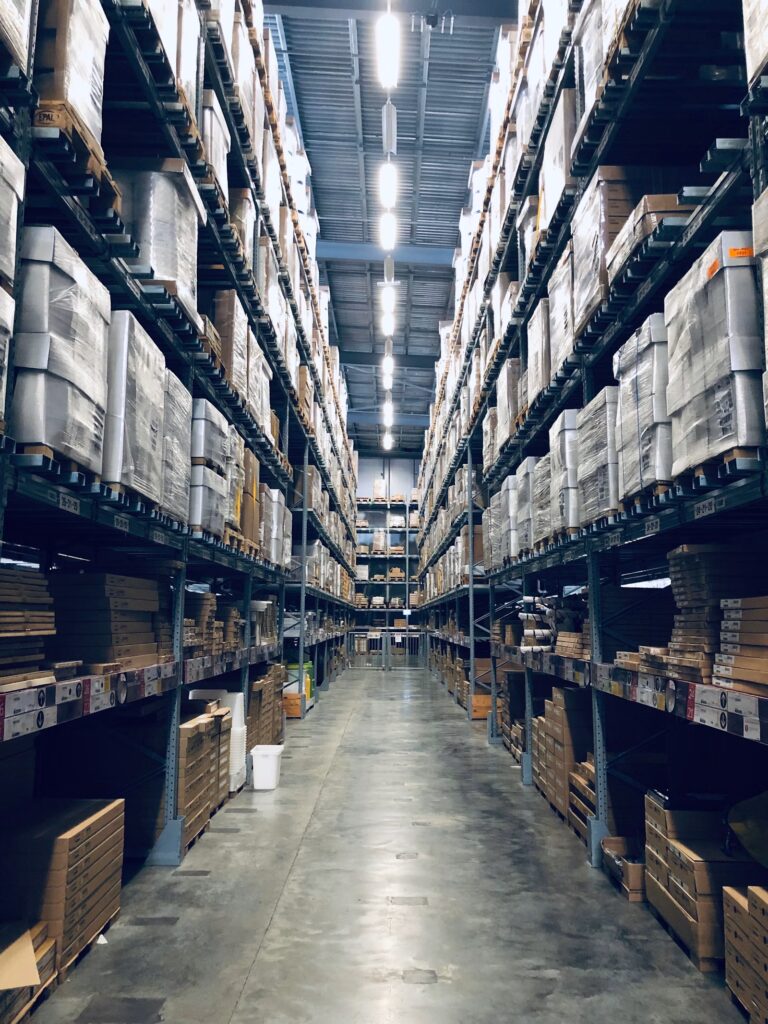
Sub Same-Day sites combine inventory storage, order fulfillment and final delivery in one facility. Products are stored locally, picked and packed in the same building, and handed directly to drivers serving nearby customers.

This structure reduces the distance between the warehouse and the buyer. It also allows Amazon to hold a selected range of fast-moving products closer to areas with strong demand.

UK Micro-Fulfillment Expansion

Amazon is separately expanding Amazon Now, its delivery service for groceries and essentials in 30 minutes or less. The service already operates in parts of London, with Manchester and Birmingham scheduled for expansion in 2026.

Amazon Now relies on micro-fulfillment centers positioned near residential and inner-city areas. These smaller facilities support rapid local picking and delivery rather than the full product range of a conventional Amazon FBA warehouse.

Inventory Planning for China Sellers

The expansion increases the importance of local stock availability, but it does not mean every FBA product will qualify for Same-Day or Amazon Now. Amazon controls product selection and inventory placement within its network.

China sellers should continue sending inventory only to the fulfillment centers assigned in Seller Central. Demand forecasting, early replenishment and accurate carton preparation remain important because stock must be received and available before it can support faster delivery. The June announcement did not introduce new FBA inbound routing rules.

Sources


Amazon Invests €10 Billion in European Warehouse Robotics

By JiuFang Logistics
July 24, 2026

European Warehouse Investment

Amazon announced on June 4 that it will invest more than €10 billion to expand and modernize fulfillment centers across Europe. The program combines additional warehouse capacity with robotics designed to move inventory and handle repetitive tasks.

Amazon also plans to add 25,000 fulfillment center jobs in Europe over the coming years. The company said the investment will support employees while improving warehouse operations and delivery speed.

New Proteus Robot

The next generation of Amazon’s autonomous Proteus robot can operate beyond loading-dock areas and move items across fulfillment sites. Employees can direct it with conversational text prompts instead of technical commands.

Amazon said Proteus can determine the route, priority and timing for assigned work. It is currently being piloted in Amazon laboratories, with European deployment planned for the first half of 2027.

STARK Expansion

The investment also includes STARK, a robotic tote-handling system that picks full storage bins from conveyors and places them on carts. After an initial pilot in Barcelona, Amazon plans to expand STARK to 15 European sites by 2027.

Amazon will also widen the use of Vulcan, its warehouse robot with a sense of touch. These systems focus on internal handling after inventory has entered the fulfillment network.

Impact on FBA Sellers Shipping from China

More automation may increase the speed and consistency of inventory movement inside an Amazon FBA warehouse, but the announcement does not change seller inbound requirements. China-based sellers still need to follow the shipment plan, labeling, carton, pallet and delivery-appointment rules shown in Seller Central.

Sellers should not route cargo to a warehouse based only on news of an upgrade. Amazon assigns the destination when the inbound shipment is created. For European inventory, customs clearance, VAT arrangements and delivery to the assigned fulfillment center remain separate steps before Amazon can receive the stock.

Sources


Amazon Florida Fulfillment Center Closure Changes FBA Inbound Planning

By JiuFang Logistics
July 22, 2026

Port St. Lucie Closure

Amazon will temporarily close its distribution facility in Port St. Lucie, Florida, to renovate the site, Supply Chain Dive reported on July 20. Operations are scheduled to stop on September 17.

The closure will affect 494 employees, according to a July 15 Worker Adjustment and Retraining Notification notice. Separations are scheduled for September 17 or December 17. Amazon said employees who accept internal transfers before separation will not be laid off.

Conversion to Fulfillment Operations

Amazon plans to convert the existing distribution site into a sortable fulfillment center. In that format, employees pick, pack and ship customer orders. The change is part of Amazon’s continuing adjustment of its U.S. warehouse network, which includes closing some sites while renovating or building others.

Amazon is also pursuing more automated capacity elsewhere, including a planned robotics-equipped sorting warehouse in Texas, according to Supply Chain Dive.

Impact on the Amazon FBA Inbound Process

The report does not state that the Port St. Lucie site is an FBA receiving center. Its scheduled shutdown is still a useful reminder that Amazon’s network can change at the facility level while sellers are moving inventory from China to the United States.

For the Amazon FBA inbound process, a shipment is not complete when it leaves China. The seller also needs the current shipment destination, appointment or carrier requirements, customs status and receiving timeline to remain aligned with Amazon’s instructions.

Seller Planning Actions

Before dispatching a time-sensitive shipment, China sellers should recheck the active shipment plan in Seller Central, confirm the assigned fulfillment center and allow time for U.S. inland delivery and receiving. If Amazon changes a destination, the seller should update the logistics plan instead of sending cartons to an outdated address.

For holiday or launch inventory, keeping a small timing buffer and tracking the check-in date helps separate a transit delay from an Amazon receiving delay.

Sources


Fuel Surcharges Raise the Cost of Amazon FBA Inbound Delivery

By JiuFang Logistics
July 22, 2026

U.S. Parcel Costs Hit a Record

U.S. ground parcel costs remained elevated in the second quarter, Supply Chain Dive reported on July 20. The TD Cowen/AFS Ground Parcel Freight Index reached 42.4% above its January 2018 baseline, an increase of 6.9% year over year.

The index is expected to moderate to 38.7% above the baseline in the third quarter. Even at that level, the report said 2026 remains on track to record the highest cost per package in the index’s history.

Fuel Surcharge Pressure

The average net fuel surcharge per package increased 40% year over year in the second quarter. At diesel prices of $4.50 per gallon, FedEx and UPS ground fuel surcharges were running at roughly 24.5% to 25%, compared with 22.5% a year earlier.

Supply Chain Dive also reported that discounts for some FedEx and UPS shippers declined slightly in the quarter. Large and small customers may therefore receive different pricing outcomes.

Connection to the Amazon FBA Inbound Process

For China sellers, inbound shipping cost does not end at the U.S. port. After international freight and customs clearance, cartons still need inland or parcel delivery to the Amazon-assigned fulfillment center. Fuel surcharges and billed weight can change that final leg’s cost.

This matters when comparing a low ocean or air freight quote. The Amazon FBA inbound process should be priced from the China pickup point through delivery and receiving, including destination handling, domestic transport and any carrier surcharge.

Cost Planning for China Sellers

Sellers should request an all-in quote, confirm whether fuel is included and check the billed-weight rules before booking. A shipment split between fulfillment centers may also create additional domestic delivery charges.

The index report noted that Amazon Shipping and other Amazon Supply Chain Services could pressure parcel pricing over time. That potential competition does not remove the need to verify service coverage, delivery time and Amazon receiving requirements for each shipment.

Sources


DHL Adds Transpacific Air Capacity for Amazon FBA Shipping

By JiuFang Logistics
July 21, 2026

New Transpacific Air Service

DHL Global Forwarding has expanded its transpacific air network with a dedicated service from Bangkok Suvarnabhumi Airport to its Cincinnati hub. Supply Chain Dive reported the development on July 15, within DHL’s broader effort to add controlled capacity between Asian manufacturing centers and the United States.

The route started operating on July 1. It complements DHL flights from Hanoi and Taipei to U.S. gateways including Chicago, widening the available network for time-sensitive cargo moving from Asia.

Schedule and Capacity

The Bangkok-Cincinnati service operates three times a week with a Boeing 777 freighter. Each flight provides 100 metric tons of cargo capacity. DHL said the dedicated operation is intended to give shippers more stable schedules and more predictable costs.

The aircraft can handle oversized and high-value shipments as well as standard air cargo. Technology products are a major source of current demand from Southeast Asia, according to DHL.

Impact on Amazon FBA Shipping

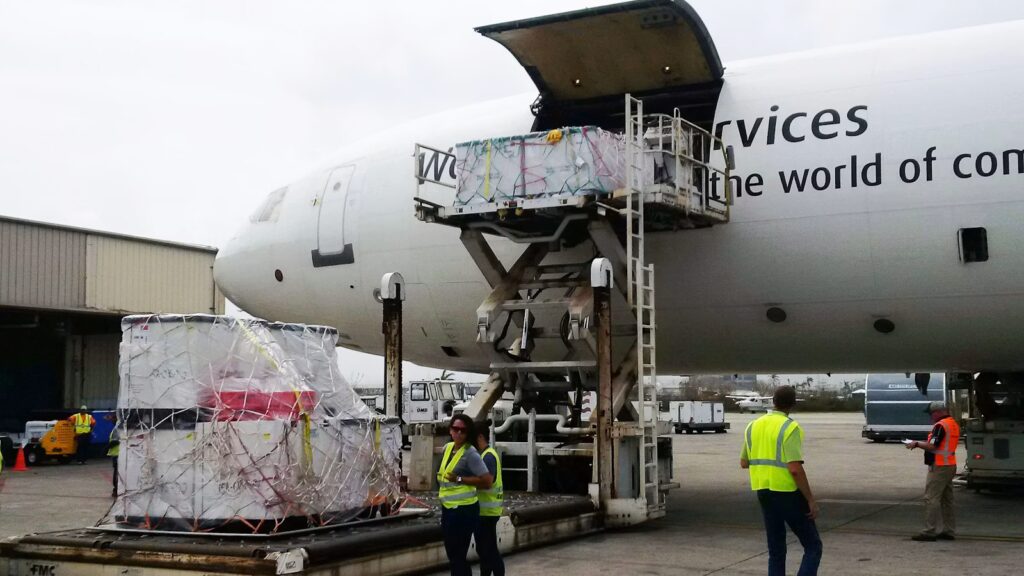
For Amazon FBA sellers, the added capacity creates another option for urgent replenishment into the United States when ocean transit is too slow. It may be useful for compact, high-value inventory, launch stock or products at risk of going out of stock.

The service does not depart from mainland China. China-based sellers would need inventory produced in Southeast Asia or a compliant regional consolidation plan before using the Bangkok gateway. Total cost should include origin trucking, export handling, U.S. customs clearance and delivery to the assigned Amazon fulfillment center.

Planning Priorities

Air capacity remains under pressure. Supply Chain Dive cited Xeneta data showing Asia-Pacific-to-North America demand rose 7% year over year in June, while transpacific spot rates jumped more than 40% from late February to the final week of June.

FBA sellers should compare the full landed cost of air freight against the sales and ranking risk of an inventory gap. Booking space before stock reaches a critical level leaves more room to choose between air, ocean and split-shipment strategies.

Sources


Transpacific Ocean Rates Ease for Amazon FBA Shipping

By JiuFang Logistics
July 21, 2026

Shanghai-US Rates Turn Lower

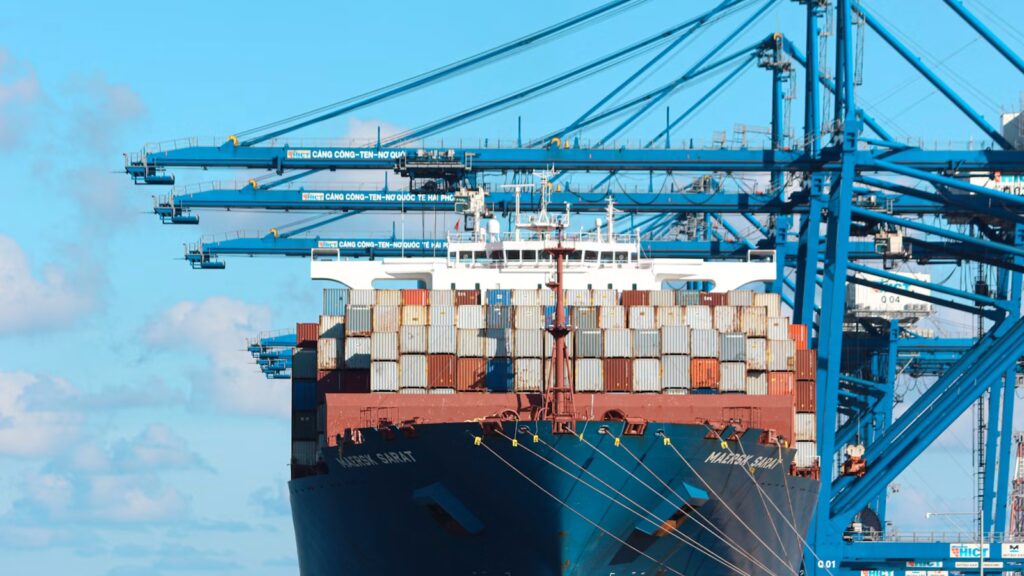
Transpacific container spot rates showed signs of easing in mid-July after climbing through the early peak season. The Loadstar reported on July 17 that Drewry’s Shanghai-Los Angeles rate fell 3% week over week to $6,272 per 40-foot container.

The Shanghai-New York rate was unchanged at $7,879 per 40-foot container. The mixed movement suggests the market is softening, but not uniformly across U.S. coasts.

More Transpacific Capacity

Xeneta data cited by The Loadstar showed offered capacity to the U.S. West Coast increased 6.5% from the previous week. Capacity to the U.S. East Coast rose 15.4%.

Analysts linked the rate change to carriers adding space while front-loaded demand began to ease. Importers had moved orders earlier to manage expected third-quarter fuel adjustments and wider supply chain disruption. That brought peak-season pressure forward into May rather than July.

Amazon FBA Shipping Costs

For sellers moving inventory from China to Amazon FBA warehouses, a weekly decline can improve new booking quotes, but it does not mean low-cost shipping has returned. Xeneta said Far East-to-U.S. West Coast spot rates were still 252% above their late-February level.

FBA shipping comparisons should use the complete landed cost: ocean freight, origin charges, destination handling, customs clearance, inland delivery and Amazon receiving deadlines. Sellers also need to match the port route with the fulfillment center destination before selecting a lower headline rate.

Near-Term Outlook

A sharp fall is not guaranteed. Drewry counted nine blank sailings scheduled for the following transpacific week, giving carriers a way to limit available space. U.S. tariff policy could also change booking demand quickly.

Amazon FBA sellers should treat the current decline as a booking window rather than a confirmed long-term trend. Comparing West Coast and East Coast options, checking sailing reliability and allowing time for FBA receiving remain central to inventory planning.

Sources