Logistics News

UPS Cuts 2 Million Daily Amazon Packages and Raises 2026 Outlook


By JiuFang Logistics
July 29, 2026

UPS Completes Amazon Volume Reduction

The planned volume reduction marks a significant change in the relationship between one of the largest US parcel carriers and the country’s largest online retailer. Amazon now represents about 9% of UPS business, according to reporting on the carrier’s July 28 results. At the pandemic-era peak, Amazon generated more than 13% of UPS revenue.

UPS has characterized the removed packages as lower-yield volume. Amazon has built substantial in-house delivery capacity and is particularly strong in lightweight, short-distance urban deliveries. UPS is placing greater emphasis on business-to-business shipments, healthcare logistics and other time-sensitive services that make broader use of its network.

Revenue Forecast Moves Higher

UPS reported second-quarter revenue of $22.8 billion, an increase of 7.6% from the same period a year earlier. It raised its expected full-year 2026 revenue to approximately $91.2 billion, up from its previous forecast of $89.7 billion.

The results suggest that the carrier is prioritizing revenue quality over parcel count. For the wider ecommerce market, the shift also shows how major retailers’ delivery networks and national parcel carriers continue to divide US last-mile volume.

What China-Based Amazon Sellers Should Watch

China-based Amazon sellers should monitor the carrier shown in customer tracking, delivery promises by region and any changes in transit performance during peak periods. A different mix of Amazon Logistics, UPS and other carriers can affect the final domestic leg after an order is placed.

The UPS announcement does not by itself change China-to-US customs procedures, international freight rates or Amazon FBA inbound requirements. Sellers shipping inventory from China to US fulfillment centers should continue to plan around Amazon appointment rules, inventory receiving times and their own ocean or air freight schedules. The immediate change concerns US parcel delivery capacity rather than the international movement of FBA inventory.

Sources


eBay International Shipping Reaches UK Sellers in August

By JiuFang Logistics
July 28, 2026

UK Rollout Starts in August

eBay will begin enrolling eligible UK sellers in eBay International Shipping in phases from August 2026. The service replaces the Global Shipping Programme for enrolled listings and expands seller access from 105 countries to more than 195 countries and territories.

ChannelX reported the expansion on July 22, following earlier launches in the United States and Canada. The programme is open to private and business sellers, and eBay says international selling fees will be waived for orders shipped through the service.

How eBay International Shipping Works

Participating sellers send sold items to eBay’s UK hub. eBay then manages customs documentation, duty and tax calculations, international delivery, carrier coordination, end-to-end tracking and post-sale support.

Buyers pay the international shipping charge and applicable import fees at checkout. Once an item is scanned at the hub, eBay says the seller’s payout is protected. eBay also handles international returns and lost or damaged item claims. Eligible listings will move to the service automatically when a seller’s account is enrolled.

Planning China-to-UK Inventory

The programme simplifies delivery from the UK hub to overseas buyers, but it does not cover upstream inventory movement from China to the United Kingdom. China-based suppliers and UK eBay businesses must still arrange production, freight, customs clearance and delivery into UK inventory before customer orders can be sent to the hub.

Importers should separate the two transport stages when calculating landed cost and stock lead times. They should also wait for eBay’s enrolment confirmation and check product and destination eligibility before changing shipping settings or inventory plans.

Sources


Chinese Sellers Reach 55.9% of Amazon.com's Top 10,000

By JiuFang Logistics
July 28, 2026

Chinese Seller Share Rises

Chinese merchants now account for 55.9% of the top 10,000 sellers on Amazon.com, according to Marketplace Pulse data published July 9. Their share was 42.5% in July 2020, representing a gain of 1,342 positions over six years.

US sellers moved in the opposite direction. Their share fell from 53.7% to 40.5%, a loss of 1,320 positions. Marketplace Pulse also found that 68.6% of the current top sellers were in the cohort one year ago, showing that the overall rate of turnover has remained relatively stable even as the seller mix changed.

US Sellers Retain the GMV Lead

Seller count does not equal sales value. US merchants generated 65.3% of gross merchandise value within the top 10,000 group, compared with 28.6% for Chinese sellers.

The difference was larger at the highest ranks. US sellers represented 81.4% of the top 100 and generated 93.2% of that group’s GMV. Marketplace Pulse reported an average selling price of $47.62 for US sellers in the top 100, versus $22.03 for Chinese sellers.

What the Data Means for Shipping

The figures show that Chinese sellers have built broad representation across Amazon.com’s leading merchant base, while the highest-value positions remain concentrated among US businesses. For China-based sellers, expanding rank still requires inventory availability, competitive pricing and consistent delivery performance.

Shipping plans should match stock to verified demand rather than seller-count trends alone. Exporters using US fulfillment networks should account for production lead time, international transport, customs clearance and replenishment buffers before placing inventory. The data signals stronger Chinese participation on Amazon, but it does not guarantee sales for any individual product or seller.

Sources


Seattle-Tacoma Container Volumes Fall 12.4% in New Shipping Update

By JiuFang Logistics
July 27, 2026

Container Volumes Decline

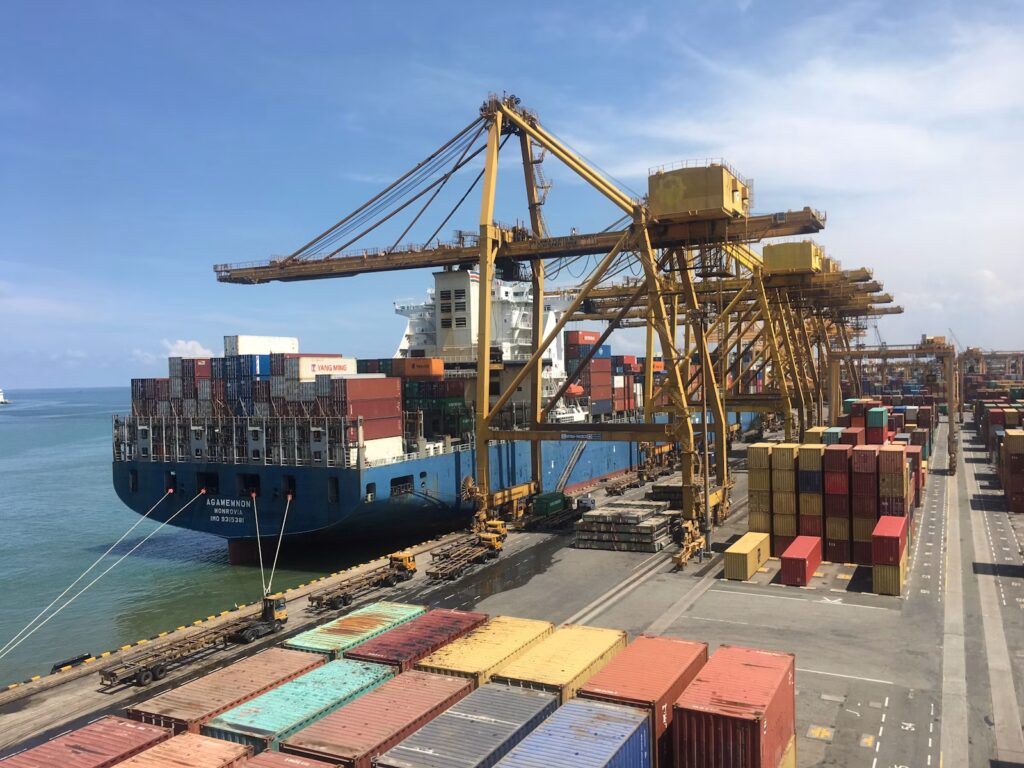
The Northwest Seaport Alliance reported year-to-date container throughput of 1,433,525 TEU at the ports of Seattle and Tacoma, down 12.4%, according to a July 24 report from WorldCargo News. The two ports form a major US gateway for transpacific international shipping.

The decline indicates that less containerized cargo moved through the gateway than in the same period a year earlier. The published figures measure total port throughput; they do not by themselves identify a single cause or show the performance of every individual trade lane.

Imports Lead the Drop

Full import containers were down 13.9% year to date, a steeper decline than the 1.2% decrease in full exports. Despite the export decline, full export volume remained 1.8% above the gateway’s five-year average.

The difference between imports and exports is important for capacity planning. Lower inbound volumes can change vessel space, equipment positioning and inland transport demand, but the figures do not guarantee lower freight rates or faster terminal handling.

What China-US Shippers Should Watch

China-origin importers using Seattle or Tacoma should monitor carrier schedules, blank sailings, container availability and rail connections before committing cargo. Port-wide volume weakness can lead carriers and terminals to adjust operations even when an individual shipment remains on schedule.

Shippers should compare Pacific Northwest routings with other US gateways using total landed cost, delivery location and inland transit requirements. Booking decisions should rely on current sailing and terminal data, not the headline volume decline alone.

Sources


China-Europe Arctic Container Service Adds New International Shipping Option

By JiuFang Logistics
July 27, 2026

A Weekly Arctic Service

Chinese shipping company Sea Legend plans to launch a weekly China-Europe container service through the Arctic in 2026, WorldCargo News reported on July 20. The publication described it as the first regular weekly service of its kind. Earlier container voyages on the Arctic route were limited to individual trial sailings.

The move shifts the route from an experimental voyage model toward a published service concept. That distinction matters to exporters because regular frequency is a basic requirement for incorporating any route into repeat international shipping schedules.

Why the Route Matters

A scheduled Arctic connection would add another option alongside established ocean services between China and Europe. It does not replace those networks, and the report did not publish full details on port rotation, cargo cutoffs, capacity or end-to-end transit time.

The service also operates in a region where ice conditions and seasonal navigation can affect reliability. Chinese exporters should therefore assess the route on confirmed schedules and operating terms rather than on distance alone.

Planning International Shipments

Before booking, shippers should verify origin and destination ports, sailing windows, container availability, insurance conditions and contingency arrangements. Cargo owners should also compare the complete landed cost with conventional services, including inland transport and any transshipment.

For time-sensitive China-Europe cargo, the key test will be whether the weekly schedule produces dependable delivery performance over multiple sailings. The launch expands the international shipping market, but commercial viability will depend on operating data once service begins.

Sources


Amazon Expands Same-Day Warehouse Network in Europe

By JiuFang Logistics
July 24, 2026

More Same-Day Warehouse Locations

Amazon said on June 4 that its Sub Same-Day delivery network will reach more than 25 European locations during 2026. The planned locations include Coventry in the UK and Nürnberg in Germany.

Customers in supported areas can order as late as 5 p.m. and receive eligible items by 10 p.m. Amazon already uses the model in major European cities including London, Berlin, Munich, Madrid and Milan.

Storage and Delivery in One Site

Sub Same-Day sites combine inventory storage, order fulfillment and final delivery in one facility. Products are stored locally, picked and packed in the same building, and handed directly to drivers serving nearby customers.

This structure reduces the distance between the warehouse and the buyer. It also allows Amazon to hold a selected range of fast-moving products closer to areas with strong demand.

UK Micro-Fulfillment Expansion

Amazon is separately expanding Amazon Now, its delivery service for groceries and essentials in 30 minutes or less. The service already operates in parts of London, with Manchester and Birmingham scheduled for expansion in 2026.

Amazon Now relies on micro-fulfillment centers positioned near residential and inner-city areas. These smaller facilities support rapid local picking and delivery rather than the full product range of a conventional Amazon FBA warehouse.

Inventory Planning for China Sellers

The expansion increases the importance of local stock availability, but it does not mean every FBA product will qualify for Same-Day or Amazon Now. Amazon controls product selection and inventory placement within its network.

China sellers should continue sending inventory only to the fulfillment centers assigned in Seller Central. Demand forecasting, early replenishment and accurate carton preparation remain important because stock must be received and available before it can support faster delivery. The June announcement did not introduce new FBA inbound routing rules.

Sources


Amazon Invests €10 Billion in European Warehouse Robotics

By JiuFang Logistics
July 24, 2026

European Warehouse Investment

Amazon announced on June 4 that it will invest more than €10 billion to expand and modernize fulfillment centers across Europe. The program combines additional warehouse capacity with robotics designed to move inventory and handle repetitive tasks.

Amazon also plans to add 25,000 fulfillment center jobs in Europe over the coming years. The company said the investment will support employees while improving warehouse operations and delivery speed.

New Proteus Robot

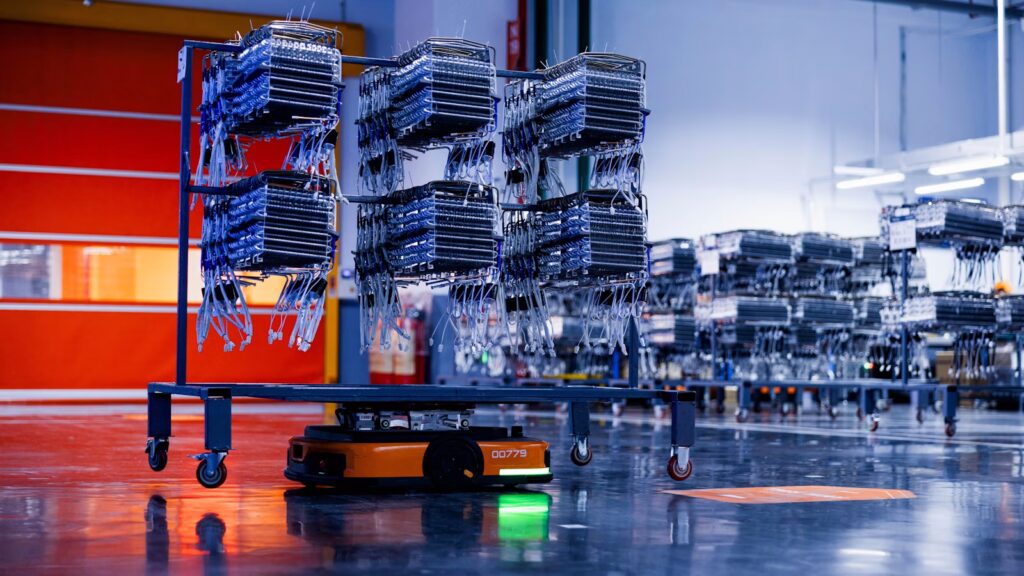
The next generation of Amazon’s autonomous Proteus robot can operate beyond loading-dock areas and move items across fulfillment sites. Employees can direct it with conversational text prompts instead of technical commands.

Amazon said Proteus can determine the route, priority and timing for assigned work. It is currently being piloted in Amazon laboratories, with European deployment planned for the first half of 2027.

STARK Expansion

The investment also includes STARK, a robotic tote-handling system that picks full storage bins from conveyors and places them on carts. After an initial pilot in Barcelona, Amazon plans to expand STARK to 15 European sites by 2027.

Amazon will also widen the use of Vulcan, its warehouse robot with a sense of touch. These systems focus on internal handling after inventory has entered the fulfillment network.

Impact on FBA Sellers Shipping from China

More automation may increase the speed and consistency of inventory movement inside an Amazon FBA warehouse, but the announcement does not change seller inbound requirements. China-based sellers still need to follow the shipment plan, labeling, carton, pallet and delivery-appointment rules shown in Seller Central.

Sellers should not route cargo to a warehouse based only on news of an upgrade. Amazon assigns the destination when the inbound shipment is created. For European inventory, customs clearance, VAT arrangements and delivery to the assigned fulfillment center remain separate steps before Amazon can receive the stock.

Sources


UK Publishes CBAM Rules for China Exporters Ahead of 2027

By JiuFang Logistics
July 23, 2026

UK CBAM Policy Update

The UK government published an updated Carbon Border Adjustment Mechanism policy summary on July 16. The document follows secondary regulations laid on July 13 and gives importers and overseas manufacturers more detail on registration, returns, record-keeping, carbon price relief and CBAM rate calculations.

The UK CBAM will start on January 1, 2027. It is separate from the EU CBAM and will apply across the United Kingdom, including Northern Ireland.

Products and Importers in Scope

The mechanism covers specified commodity codes in aluminium, cement, fertiliser, hydrogen, iron and steel. Some products, including identified aluminium and iron or steel scrap codes, are excluded at launch.

The person named as the importer on the customs declaration is generally liable for CBAM. A minimum registration threshold of £50,000 applies to the value of relevant CBAM goods. Importers can appoint tax agents to submit returns, but the tax agent does not assume the liability.

How the CBAM Charge Is Calculated

The CBAM charge is based on imported embodied emissions multiplied by the applicable CBAM rate. Eligible carbon price relief can then reduce the final liability when an effective carbon price has already been paid.

Importers may use verified actual emissions data or UK government default values. Actual data must come from the producer and be verified by a qualifying verifier. Weight, emissions intensity and supporting records will therefore become part of the commercial information needed for covered imports.

What China Exporters Should Prepare

Chinese manufacturers selling covered goods to the UK should confirm commodity codes, non-preferential origin and product weight before shipping. They should also determine whether they can provide verified facility-level emissions data to the UK importer.

Shipping documents alone will not establish the carbon liability. Exporters, importers, customs brokers and logistics providers need consistent product and weight data, while the manufacturer and verifier supply the emissions evidence. Using default values may be simpler, but it can weaken price competitiveness if the defaults exceed the producer’s actual emissions.

Sources


Daily CBAM Cost Index Gives China Exporters Earlier Price Signals

By JiuFang Logistics
July 23, 2026

Fastmarkets Launches Daily CBAM Assessments

London-based Fastmarkets announced two daily price assessments for EU Carbon Border Adjustment Mechanism certificates in June. The tools are intended to give importers and exporters an earlier view of carbon costs while goods are being priced and traded.

Under the current EU CBAM framework, official certificate costs are confirmed after each reporting period: quarterly in 2026 and weekly from 2027. That delay can leave companies exposed to a changing cost after commercial terms have already been agreed.

How the Two Indexes Work

The CBAM Certificate Index is published daily in euros per tonne of carbon dioxide equivalent. It combines auctioned EU Allowance values with spot and forward allowance prices to estimate the certificate cost at the end of the reporting period.

The CBAM Certificate Builder tracks the volume-weighted average cost of EU Allowance auctions completed within the current reporting period. Fastmarkets said both series are designed to converge with the official CBAM certificate price when the period closes.

Impact on China-EU Trade

EU importers must purchase certificates covering the embedded emissions of goods within CBAM scope. Chinese exporters do not normally buy the certificates, but their production emissions influence the importer’s cost and can affect negotiations for steel, aluminium, cement and other covered products.

A daily cost signal allows buyers and sellers to state which carbon-price assumption applies to a quotation. It can also reduce disputes when the official certificate price is confirmed after the shipment has departed.

Data Needed Before Shipping

China exporters should provide the correct commodity code, product weight and installation-level emissions information before cargo leaves origin. The Fastmarkets tools can use either EU default values or verified emissions data, but the chosen basis should be clear in the sales contract.

CBAM compliance remains separate from freight charges and customs duty. Logistics teams should keep shipment quantities and customs records aligned with the emissions data used by the EU importer, while commercial teams price the carbon exposure separately.

Sources


Amazon Florida Fulfillment Center Closure Changes FBA Inbound Planning

By JiuFang Logistics
July 22, 2026

Port St. Lucie Closure

Amazon will temporarily close its distribution facility in Port St. Lucie, Florida, to renovate the site, Supply Chain Dive reported on July 20. Operations are scheduled to stop on September 17.

The closure will affect 494 employees, according to a July 15 Worker Adjustment and Retraining Notification notice. Separations are scheduled for September 17 or December 17. Amazon said employees who accept internal transfers before separation will not be laid off.

Conversion to Fulfillment Operations

Amazon plans to convert the existing distribution site into a sortable fulfillment center. In that format, employees pick, pack and ship customer orders. The change is part of Amazon’s continuing adjustment of its U.S. warehouse network, which includes closing some sites while renovating or building others.

Amazon is also pursuing more automated capacity elsewhere, including a planned robotics-equipped sorting warehouse in Texas, according to Supply Chain Dive.

Impact on the Amazon FBA Inbound Process

The report does not state that the Port St. Lucie site is an FBA receiving center. Its scheduled shutdown is still a useful reminder that Amazon’s network can change at the facility level while sellers are moving inventory from China to the United States.

For the Amazon FBA inbound process, a shipment is not complete when it leaves China. The seller also needs the current shipment destination, appointment or carrier requirements, customs status and receiving timeline to remain aligned with Amazon’s instructions.

Seller Planning Actions

Before dispatching a time-sensitive shipment, China sellers should recheck the active shipment plan in Seller Central, confirm the assigned fulfillment center and allow time for U.S. inland delivery and receiving. If Amazon changes a destination, the seller should update the logistics plan instead of sending cartons to an outdated address.

For holiday or launch inventory, keeping a small timing buffer and tracking the check-in date helps separate a transit delay from an Amazon receiving delay.

Sources