Logistics News

Transpacific Rates Surge as Early Peak Raises Amazon FBA Shipping Costs

By JiuFang Logistics
July 15, 2026

Asia-U.S. Rate Increases

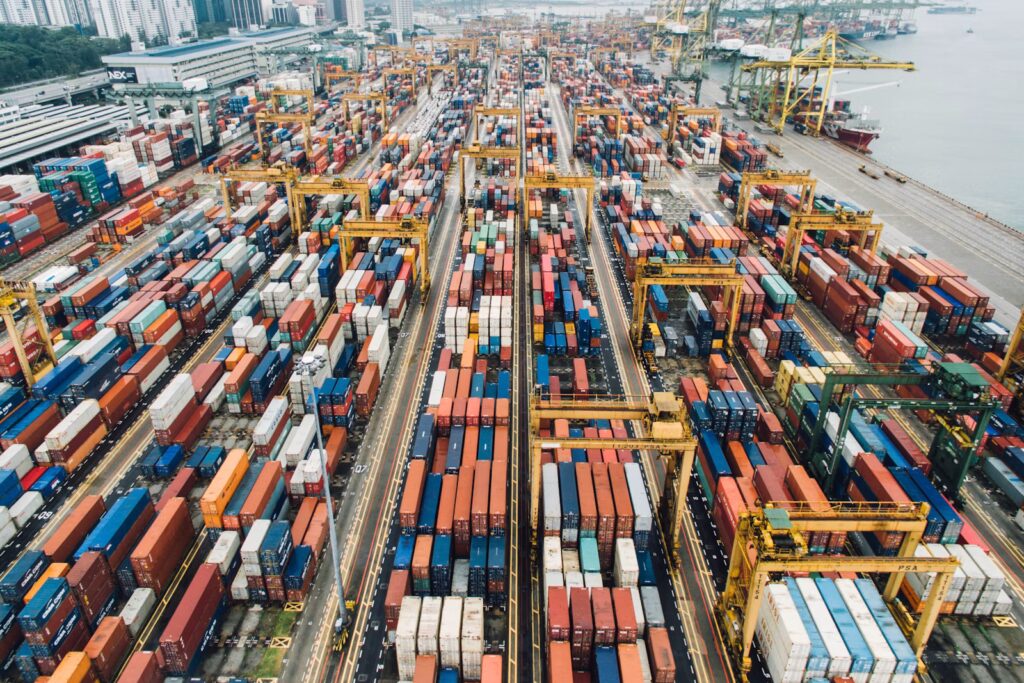
Transpacific spot rates rose sharply in early July as shippers accelerated cargo movements, Supply Chain Dive reported on July 7. Freightos data placed the Asia-to-U.S. West Coast rate at $6,200 per forty-foot equivalent unit as of July 4, up 120% since mid-May.

The Asia-to-U.S. East Coast rate reached $8,000 per FEU, an 85% increase over six weeks.

Frontloading Creates an Early Peak

Shippers pulled orders forward ahead of July bunker surcharges, manufacturer price increases and an approaching U.S. tariff deadline. Freightos said the rush created an earlier-than-normal peak season and could also produce an earlier slowdown later in July.

Carriers Add Capacity

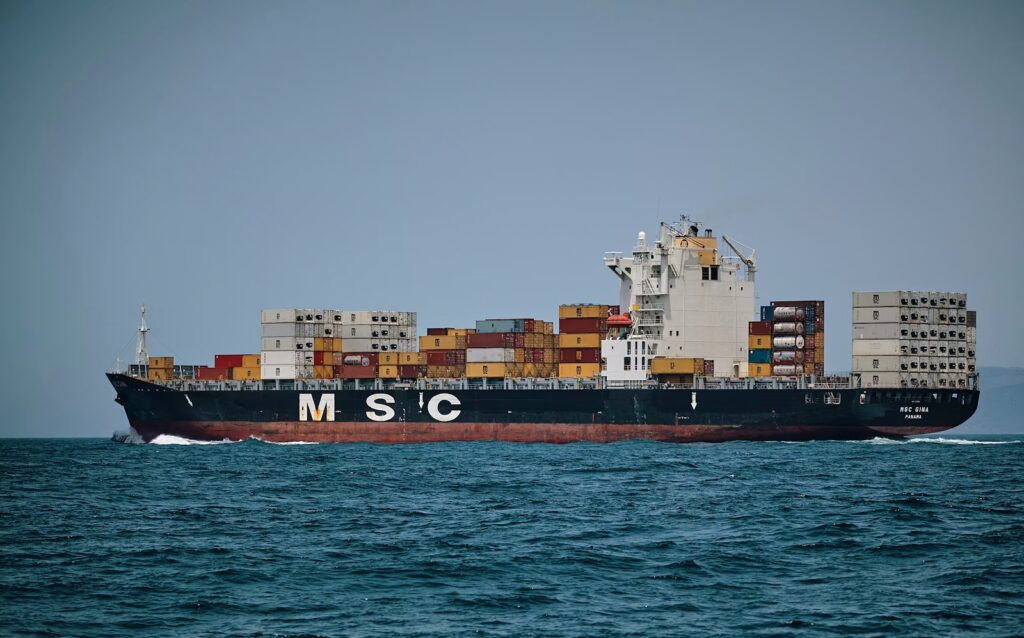
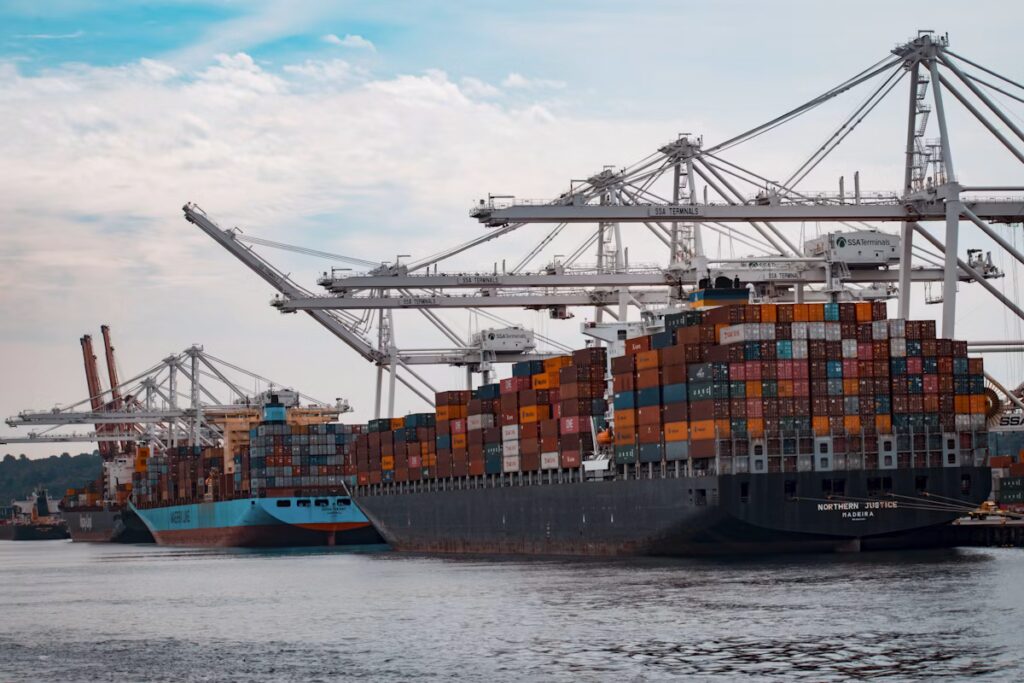
Offered capacity from Asia to the U.S. West Coast reached a record level, according to Xeneta. MSC reinstated its Pearl service, while Yang Ming and ONE deployed extra loaders to handle frontloaded cargo. Additional capacity improved availability but had not reversed the upward rate trend.

Impact on Amazon FBA Sellers

China-based Amazon FBA sellers shipping by ocean face higher costs during a critical holiday inventory window. Sellers should compare West Coast and East Coast landed costs, reserve space before factory completion and allow time for customs clearance, inland delivery and FBA receiving.

The data also shows that waiting for the traditional late-summer peak may not reduce risk when tariff deadlines and frontloading shift demand earlier.
Sources


Amazon to Open Shanghai Hub for U.S.-Bound FBA Inventory

By JiuFang Logistics
July 14, 2026

New Shanghai Distribution Center

Amazon plans to open a Global Warehousing and Distribution center in Shanghai on July 16, 2026. The facility will allow sellers to store U.S.-bound inventory in bulk in China, according to Amazon and Supply Chain Dive.

The Shanghai location joins Amazon’s existing distribution center in Shenzhen.

Role in Amazon FBA Inventory Planning

The new center gives China-based sellers another location for staging export inventory before it enters Amazon’s U.S. fulfillment network. Bulk storage can separate long-term stock from inventory already assigned to an Amazon FBA fulfillment center.

Impact on China-to-USA Shipping

A China-based storage option may help sellers consolidate cargo and plan replenishment in larger batches. International transit, export and import clearance, and Amazon receiving time still need to be included in the final FBA delivery schedule.

Peak-Season Timing

The opening comes as Amazon advises sellers to place holiday inventory in its network by October. Sellers using the Shanghai center should work backward from the required U.S. check-in date when booking ocean or air freight from China.

Sources


Amazon FBA 2026 Holiday Fees: China Sellers Told to Ship Early

By JiuFang Logistics
July 14, 2026

Amazon FBA Holiday Fees

Amazon will apply higher holiday fulfillment fees from October 15, 2026, through January 14, 2027, Supply Chain Dive reported on July 13. The increase covers Fulfillment by Amazon, Remote Fulfillment with FBA, Multi-Channel Fulfillment and Buy with Prime.

The Amazon FBA increase will average $0.32 per unit, matching the previous peak season. Amazon’s existing 3.5% fuel and logistics surcharge will apply on top of the holiday fee.

October Inventory Target

Amazon advised sellers to place inventory in its network by October to maintain Prime delivery speeds for Black Friday and Cyber Monday. The exact deadline depends on whether inventory is entering Amazon Warehousing and Distribution or an FBA fulfillment center.

Amazon also warned that sellers may receive lower capacity limits in November and December as fulfillment centers prioritize customer orders.

Impact on China Sellers

China-based Amazon FBA sellers must account for production, export customs, international transit, import clearance and FBA receiving time before the October target. Late cargo may face both higher fulfillment costs and limited inbound capacity during the holiday rush.

Shipping plans should be based on the inventory check-in date, not only the vessel or flight departure date from China.

New Shanghai Distribution Center

Amazon also announced a Global Warehousing and Distribution center in Shanghai for bulk storage of U.S.-bound seller inventory. The facility is scheduled to open July 16 and joins Amazon’s existing Shenzhen distribution center.

Sources


Hutchison Ports Signs China Logistics Deals With Midea and TCL

By JiuFang Logistics
July 14, 2026

Two Manufacturing Logistics Agreements

Hutchison Ports has signed two manufacturing logistics agreements in China with appliance maker Midea and electronics group TCL, Seatrade Maritime News reported on July 10. The deals connect a major global port operator with two of China’s largest manufacturing exporters.

Why the Deals Matter

Direct cooperation between manufacturers and terminal operators can improve coordination across factory dispatch, storage, port handling and vessel loading. The agreements show how large Chinese exporters are linking production planning more closely with outbound logistics.

Impact on China Export Logistics

Closer port integration may help manufacturers manage high-volume shipments and respond faster to changing overseas demand. For suppliers shipping from China to the United States, Canada and the United Kingdom, the development reinforces the value of early bookings and accurate cargo forecasts when major exporters are moving large volumes.

Sources


China's June Export Surge Lifts Pre-Tariff Shipping Demand

By JiuFang Logistics
July 14, 2026

June Trade Results

China’s dollar-denominated exports increased 27% year over year in June 2026, while imports rose 36%, Reuters reported on July 14. The results exceeded forecasts and showed strong cross-border goods movement despite continued uncertainty in global trade.

What Drove the Increase

Reuters linked the export strength to demand generated by the artificial intelligence boom and to companies moving cargo before possible tariff changes. Earlier shipping can shift seasonal demand forward, concentrating bookings into a shorter period.

Impact on China Shipping

Higher export volumes increase demand for container space, port handling and air cargo capacity from China. Exporters serving the United States, Canada and the United Kingdom may face tighter sailing availability when many businesses advance orders at the same time.

Outlook for Shippers

The June data indicates that trade-policy deadlines can affect shipment timing as strongly as normal retail cycles. Businesses should monitor booking lead times, carrier capacity and customs requirements as front-loaded cargo moves through international networks.

Sources


China Ecommerce Platforms Gain Online Retail Share

By JiuFang Logistics
July 10, 2026

What Happened

WELT reported that Temu, Shein and AliExpress reached a record 5.3% share of German online retail sales in the second quarter. The report said sales from the three platforms rose more than 20% year over year.

The growth shows that China-linked marketplaces remain a major force in cross-border ecommerce, even as parcel rules and customs requirements change.

Why It Matters for China Ecommerce Shipping

Higher marketplace share means more demand for China-origin inventory, especially low-cost fashion, accessories, household items and consumer goods. Sellers need reliable export handling, customs data and destination delivery to keep products moving.

When ecommerce volume rises, delays in pickup, clearance or local delivery can quickly affect seller ratings and repeat purchases.

Seller Impact

China-based sellers should plan inventory around faster demand cycles. Popular SKUs may require earlier replenishment, better sales forecasting and more frequent shipment planning.

For sellers using platforms such as Temu, Shein or AliExpress, landed cost and delivery speed will remain central to competitiveness.

Outlook

The growth of China ecommerce platforms points to continued parcel and bulk-shipment demand. Logistics providers that support customs accuracy, consolidation and local delivery will remain important for cross-border sellers.

Sources


China Ecommerce Platforms Shift Logistics After New Parcel Rules

By JiuFang Logistics
July 9, 2026

What Happened

WELT reported on July 8 that new parcel rules are unlikely to stop the growth of Asian ecommerce platforms such as Temu, Shein and AliExpress. Larger sellers are expected to adapt by importing goods in consolidated shipments, clearing them in bulk and distributing orders locally.

The report said China-origin ecommerce remains a growing driver of parcel volumes at logistics hubs including Leipzig/Halle, where cross-border ecommerce logistics companies handle platform shipments.

Why It Matters for China Ecommerce Shipping

The shift from single low-value parcels to consolidated imports changes the logistics plan for China-based sellers. Instead of relying only on direct-to-consumer parcel flows, sellers may need bulk freight, customs support and destination-market fulfillment.

WELT also reported that Temu, Shein and AliExpress reached a record 5.3% share of German online retail sales in the second quarter, with sales up more than 20% year over year. That growth keeps demand high for China-to-Europe ecommerce shipping.

Seller Impact

Sellers shipping from China should review whether their model depends on individual parcel clearance, bulk import, local warehousing or a mix of all three. Each model changes cost, delivery speed and documentation requirements.

Accurate product descriptions, HS codes and customs values will be more important as platforms and logistics providers adjust to new clearance structures.

Logistics Outlook

China ecommerce is not slowing; it is reorganizing. Logistics providers that can combine China pickup, consolidated freight, customs clearance and local delivery will be better positioned as platforms move away from pure small-parcel direct shipping.

Sources


China Ecommerce Sellers Turn to Bulk Clearance and Local Warehousing

By JiuFang Logistics
July 9, 2026

What Happened

WELT reported that new parcel rules are expected to push larger Asian ecommerce platforms toward importing goods in bigger batches, clearing them in bulk and distributing them through local warehouses.

The report said this approach could help platforms such as Temu, Shein and AliExpress keep delivery flows moving despite tighter rules on small cross-border parcels.

Why It Matters for Cross-Border Ecommerce

The shift changes the logistics model for China sellers. Instead of sending every order as a direct small parcel, sellers may move more stock through consolidated freight, customs clearance and local fulfillment.

This can reduce per-order delivery friction, but it also requires better forecasting and more upfront inventory planning.

Seller Impact

Sellers should review which products are better suited for local warehouse stock and which can still move as direct parcels. High-volume, predictable SKUs may benefit most from bulk import and local delivery.

Accurate HS codes, product descriptions, customs values and inventory records become more important when goods are cleared in larger batches.

Logistics Outlook

For China-to-USA, China-to-EU, China-to-Australia and China-to-Canada ecommerce, the trend points toward hybrid logistics. Sellers will likely combine direct parcels, consolidated freight and destination-market warehousing to manage cost and delivery speed.

Sources


Walmart Price Cuts Add Cost Pressure for China-to-USA Sellers

By JiuFang Logistics
July 7, 2026

What Happened

Walmart announced broad price cuts in the United States on July 6, covering thousands of items across grocery, household goods, toys, apparel and seasonal products. Associated Press reported that Walmart and Sam’s Club described the rollbacks as a summer-season move for customers.

The Wall Street Journal reported that the cuts include lower prices on ground beef, cherries, Coca-Cola and other products, and that Walmart has emphasized cost-control policies such as lower tariffs and fuel prices when discussing affordability with federal officials.

Why It Matters for China-to-USA Shipping

Walmart’s pricing moves matter for China-to-USA ecommerce and import suppliers because the retailer sells high volumes of household goods, toys, apparel and seasonal products. Lower retail prices can raise pressure on suppliers and marketplace sellers to protect margins while keeping inventory available.

For China-origin goods, landed cost becomes more important. Freight rates, customs duties, storage fees and last-mile costs all affect whether sellers can support lower shelf prices without losing margin.

Seller Impact

China-based suppliers and Walmart marketplace sellers should review pricing, replenishment timing and fulfillment capacity. Fast-moving discounted products may need earlier booking, split shipments or US-based inventory to avoid stockouts.

Accurate customs documentation also matters. Delays at clearance can reduce the benefit of a promotion if goods arrive after demand peaks or miss seasonal sales windows.

Shipping Outlook

Walmart’s price cuts are not a shipping rule change, but they are a demand and margin signal. Sellers shipping from China to the United States should focus on predictable transit, clean import data and tighter landed-cost planning.

Sources


Amazon Australia Prime Day Extends China-to-Australia Ecommerce Demand

By JiuFang Logistics
July 6, 2026

What Happened

Amazon Australia Prime Day 2026 starts on July 7 and runs through July 13, making it a seven-day sales event. TechRadar reported on July 3 that early deals were already available before the official start.

The event covers categories including electronics, home appliances, beauty, fashion and Amazon devices. Getprice reported that Amazon Australia offers more than 200 million products across more than 30 categories.

Why It Matters for China-to-Australia Shipping

A longer Amazon sale window can stretch demand for ecommerce inventory, especially for sellers sourcing from China. Products tied to tech accessories, home goods, fashion and small appliances often depend on predictable cross-border replenishment before and during major marketplace events.

For China-based exporters and Amazon sellers, the key logistics pressure is timing. Inventory that misses the pre-sale window can lose ranking, sales velocity and delivery reliability during peak traffic.

Amazon Seller Impact

Sellers shipping from China to Australia should review stock levels, transit times and last-mile delivery promises. Fast-moving Prime Day items may need earlier replenishment, split shipments or local fulfillment to avoid stockouts during the seven-day promotion.

The extended event also increases the importance of accurate customs data and product classification. Delays at clearance can reduce the value of promotional pricing if goods arrive after demand peaks.

Outlook

Amazon Australia’s longer Prime Day points to stronger mid-year competition in ecommerce. For China-to-Australia sellers, the practical response is tighter inventory planning, earlier shipment scheduling and more reliable fulfillment support.

Sources