NEWS

CPSC Recalls China-Made Products Sold on Amazon and Walmart


By JiuFang Logistics
June 26, 2026

What Happened

The U.S. Consumer Product Safety Commission issued several recalls on June 25, 2026 involving products manufactured in China or sold by China-based sellers. The recalls covered toys, youth ATVs, LED party favors and lithium-ion power banks.

The cases show that product safety compliance remains a material risk for China-origin goods sold through U.S. e-commerce channels.

Products and Sales Channels

CPSC recalled Honlyne LED party favors sold on Amazon.com from June 2024 through December 2025 because accessible button cell batteries could pose serious ingestion hazards. About 13,400 units were affected, and the retailer was Huizhou Rongheng Network Technology of China.

CPSC also recalled Small Fish Montessori Busy Board toys sold on Amazon.com from March 2026 through May 2026 because magnets can detach and create a deadly ingestion hazard. The distributor was Lesonic Technology Co., Ltd., dba Small Fish, of China.

Another recall covered XW-A17 Electric Youth ATVs sold on Amazon.com and Walmart.com from October 2025 through December 2025. The products were manufactured by Yongkang Ruihe Metal Products Co. Ltd. of China and recalled for violating the mandatory ATV safety standard.

CPSC also recalled Super Off-Road 12,000 mAh Solar Wireless Power Banks manufactured in China because the lithium-ion battery can swell and overheat. About 7,400 units were recalled in the United States, with about 4,964 additional units sold in Canada.

Why It Matters for China-Based Sellers

For China-based sellers, the recalls highlight the need to verify product safety standards before exporting to the United States or Canada. Children’s products, battery-powered goods, toys, ATVs and other regulated consumer products can trigger recalls, refunds, listing removal and customs or platform scrutiny if compliance records are incomplete.

Sellers using Amazon FBA, Walmart WFS, private warehouses or direct parcel shipping should treat safety documentation as part of logistics readiness, not as a separate after-sales issue.

Shipping and Import Compliance Actions

Before shipping from China, sellers should confirm whether each SKU requires a Children’s Product Certificate, General Certificate of Conformity, test report, warning label, tracking label or battery documentation.

Importers should align product data, HS codes, supplier records, test reports and marketplace compliance files before booking air freight, ocean freight or small parcel shipments to the United States, Canada, Europe or Australia.

Sources


CPSC eFiling Rules Add New Import Compliance Step for China-to-U.S. Consumer Goods

By JiuFang Logistics
June 25, 2026

What Happened

The U.S. Consumer Product Safety Commission is preparing for mandatory eFiling of certificate data for many imported regulated consumer products. CPSC is highlighting that eFiling requirements begin July 8, 2026.

The rule affects importers of consumer products subject to CPSC certification requirements, including many children’s products and certain general-use consumer products sold through U.S. retail and e-commerce channels.

What Changes on July 8

For imported consumer products subject to CPSC certification, importers must electronically file certificate data as of July 8, 2026. Products entered from a Foreign Trade Zone are scheduled to come under the requirement on January 8, 2027.

CPSC says the eFiling program is a modern approach for filing certificate data and provides role-based guidance for importers, brokers and software developers.

Why It Matters for China-Based Sellers

China-based sellers exporting consumer goods to the United States should treat CPSC eFiling as a customs readiness issue, not only a product safety issue. If required certificate data is incomplete, inaccurate or unavailable at entry, shipments may face clearance delays or additional review.

Categories such as toys, children’s apparel, nursery products, lithium-battery consumer products and other regulated goods require closer review before shipment.

Shipping and Customs Impact

Importers, freight forwarders and customs brokers should confirm which SKUs require a Children’s Product Certificate, General Certificate of Conformity or other certificate data before goods leave China.

For e-commerce sellers shipping to Amazon FBA, Walmart WFS, U.S. overseas warehouses or private addresses, CPSC eFiling increases the need for clean product data, test reports, factory information, HS codes and responsible-party records before booking air freight, ocean freight or small parcel shipments.

Sources


USTR Proposes Additional 12.5% Duty on Chinese Imports in Forced-Labor Trade Action

By JiuFang Logistics
June 4, 2026

What the USTR Proposed

On June 2, the Office of the United States Trade Representative proposed additional Section 301 duties on products from economies it found had failed to impose and effectively enforce prohibitions on imports made with forced labor.

China is included in the group identified as lacking such a prohibition and effective enforcement. Under the proposed action, products of China would be subject to an additional 12.5% duty, except for products covered by stated exclusions.

Why It Matters for China-to-U.S. Shipping

The proposed duty would affect the landed cost of covered goods imported from China into the United States. For importers, e-commerce sellers and supply-chain planners, any new duty can change sourcing costs, replenishment decisions and shipment budgeting.

The proposal is not yet an effective tariff. Importers should not treat the 12.5% rate as currently payable unless and until final action is announced.

Timeline and Next Steps

USTR is accepting requests to appear at the hearing through June 22, 2026. Written comments are due by July 6, 2026, and a public hearing is scheduled for July 7, 2026.

The final scope, exclusions and effective date, if any, will depend on the outcome of that process and any subsequent USTR action.

What Importers Should Check

Businesses shipping Chinese-origin goods to the United States should monitor the final USTR decision, review product classifications against any published exclusions and model potential duty exposure before confirming future import budgets


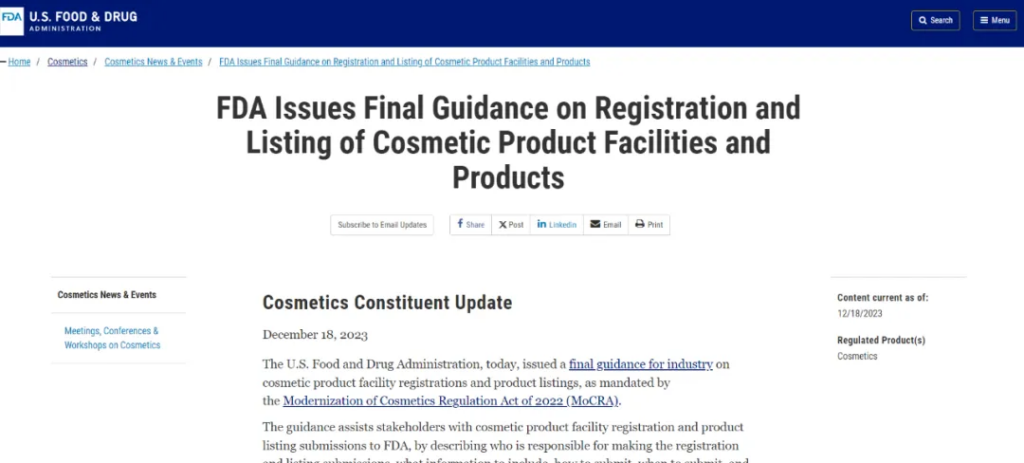
New U.S. regulations: The era of mandatory cosmetic FDA certification is coming!

By Lake
February 01, 2024

The United States signed the Modernization of Cosmetic Regulation Act of 2022 (MoCRA) on December 29, 2022, which means that the U.S. cosmetics industry will usher in a major reform of the current reform, cosmetics will be transformed from voluntary to mandatory registration, which means that cosmetics imported into the U.S. must be certified by the FDA. FDA in March this year, the FDA stopped receiving and Processing of cosmetics VCRP system of registration submission, on December 18th released the final guidelines for the registration of cosmetic organizations and product listing. What will be involved in cosmetic FDA certification under the new regulations? Follow us down the road to see it!

When is FDA registration available?

The cosmetic registration system is still in the process of improvement, and to ensure that the industry has enough time to submit the facility registration and product listing information, the FDA plans to extend the enforcement time from December 29, 2023, to July 1, 2024. It is recommended that sellers who sell or plan to sell cosmetic products in the U.S. can learn about and prepare for this in advance, and complete facility registration and product listing before July 1, 2024.

What's involved in FDA registration?

  • Establishment registration: Cosmetic manufacturers and processors are required to register their establishments with the FDA and update their registrations within 60 days of any changes to the business, unlike the voluntary FDA VCRP registration, which must be renewed every two years.
  • Product Listing: The person in charge of a cosmetic manufacturer, packager, or distributor must list each listed cosmetic product, as well as the product ingredients of the cosmetic product, with the FDA and update it annually.

If a product is both a drug and a cosmetic, a cosmetic listing need not be submitted for that product, but the listed product should be identified as both a drug and a cosmetic at the time of the drug listing submission.

The following information needs to be submitted for organization registration and product listing:

Registered

Programs

Required information

Establishment

 registration

• Name of business owner or operator

• Business name, physical address, e-mail address, and phone number

• Name and contact information (phone and e-mail) of U.S. agent

• Facility Establishment Identifier (FEI)

• Name of all brands of cosmetics

• Product category of cosmetics and responsible person

• Type of submission (initial, amendment, expiration renewal, etc.)

• Product category and person in charge of the cosmetic product

• Type of submission (initial submission, amendment, renewal due, etc.)

• Name of the parent company (optional)

• DUNS number (optional)

• Contact information of other persons involved in the registration (optional)

Product Listing

• Establishment registration number (the number obtained after the establishment is registered)

• Name and contact number of the person in charge

• Name of the cosmetic (based on the name on the label)

• Category of the cosmetic – List of cosmetic ingredients, including any flavors, fragrances, and colors

• Product listing number

• Type of submission (initial submission, annual update revision, etc.)

• Name of parent company (optional)

• Type of business (manufacturer, packer or distributor) (optional)

• Label image (provide jpg. image) (optional)

• Link to product webpage (optional)

• Is the cosmetic for professional use only (optional)

• Person responsible for the address listed on the product label DUNS number (optional)

• Unique Ingredient Identifier (UNII) (Optional)

• Contact information for other persons associated with the registration (optional)

How to submit a registration?

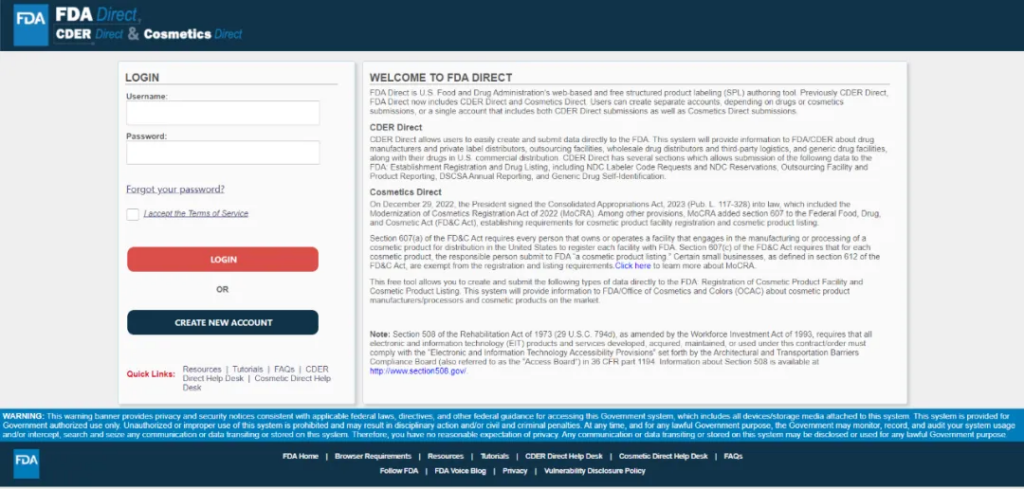
There are two ways to submit cosmetic FDA registrations, paper submissions and electronic submissions. On December 18th, the FDA officially announced a new e-submission site called Cosmetics Direct for listing cosmetic products. The FDA strongly recommends the use of e-submission, and sellers can choose to register on their own or with a third-party service provider.

Is there a fee for registration?

Under Section 607 of the U.S. Federal Food, Drug, and Cosmetic Act, there is no fee for cosmetic establishment registration and product listing. If a third party service organization is approached to apply for registration on your behalf, the service fee will be charged by the third party service organization.

With the implementation of the new rules for cosmetics, cosmetics import clearance, will likely also have a major adjustment from the original voluntary submission of registration information into mandatory submission, we recommend that you plan ahead.

At present, FDA is still improving the cosmetic registration system, and Jiu Fang is also paying attention to the dynamics of the new cosmetic regulations, and we will inform you if there is any latest news!

Sharing is caring!


2024 TOP 3 Common Amazon Seller Violations

By Lake
February 01, 2024

Understanding Variant Violations

Variant violations are a frequent challenge encountered by sellers, often resulting in “Medium” to “Low” level infractions. Variants, also known as parent/child relationships, encompass a group of products linked by attributes such as size, color, or flavor. Establishing clear variant relationships enhances buyer experience, enabling them to compare and select products based on different attributes available on the product detail page.

  • Parent Product InformationParent product information serves as the non-purchasable entity that links child products together, solely appearing in Amazon’s seller platform search results.
  • Child ProductsChild products are instances of parent products, each associated with specific attributes like size or color. Every child product differs in some aspect from others within the parent product line.

Variant Themes

Variant themes delineate the differences between parent and child products, defining the relationship among associated items.
Navigating Buyer Complaints: Another common issue faced by sellers revolves around “Medium/Low” level violations categorized under “Buyer Complaints about Product Condition,” which comprises seven classifications. Among these, three types draw significant seller inquiries:
 
  • Defective: Buyers report receiving items with performance defects or inability to operate as described on the product detail page.
  • Used Sold as New: Buyers suspect sellers of marketing second-hand items as new products.
  • Wrong Item: Buyers receive a product different from what they purchased.
  • Damaged: Visible damage reported by the buyer.
  • Version Mismatch: Discrepancies between the item sold and received, encompassing variations in country, language, or model.
  • Expired: Products nearing expiration (within 90 days).
  • Description Mismatch: Discrepancies between the product sold and its description on the product detail page.
To mitigate variant and product condition violations, adhere to the following best practices:
 
Clear Product Differentiation: Ensure distinct attributes for variant products to avoid confusion among buyers.
Accurate Descriptions: Provide precise and detailed descriptions for each product, minimizing the risk of description mismatches.
Thorough Quality Checks: Implement robust quality control measures to prevent defective or damaged items from reaching customers.
Honest Representation: Transparently disclose product conditions, especially for used or near-expiration items, to maintain buyer trust.
Timely Inventory Updates: Regularly update inventory listings to reflect accurate product availability and condition.
 
By prioritizing compliance with Amazon’s policies and implementing these best practices, sellers can optimize their sales performance and enhance customer satisfaction, ultimately fostering long-term success on the platform.

Sharing is caring!


The four most overseas warehousing mistakes

By Lake
February 01, 2024

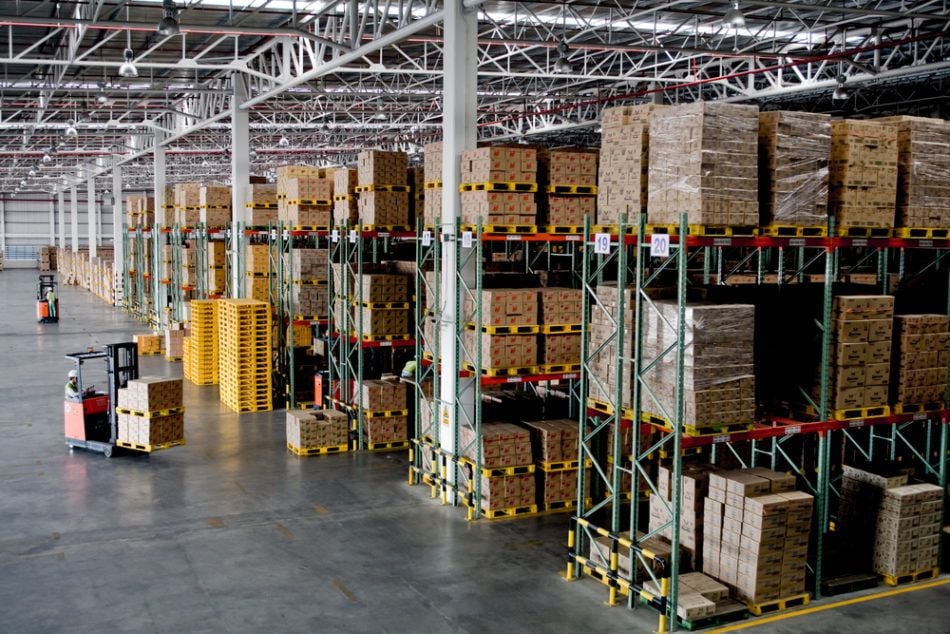
In the ever-evolving landscape of cross-border e-commerce, overseas warehouses have emerged as the logistical darlings, streamlining processes and enhancing convenience. Yet, like any burgeoning innovation, overseas warehouses harbor their fair share of pitfalls. This article delves into the intricacies, shedding light on common issues and exploring proactive strategies, especially from the perspective of JiuFang, to effectively mitigate these risks.

Common Challenges in Overseas Warehousing

  1. Vanishing Cargo Woes: The nightmare scenario for any seller – goods mysteriously disappearing within the confines of an overseas warehouse. It’s not just an economic setback; it can disrupt regular sales and spawn customer complaints.
  1. Discrepancies in Arrival and Dispatch Quantities: The stark contrast between the quantities received and those dispatched creates logistical headaches. Regular discrepancies not only hike up shipping costs but also translate into profit losses.
  1. Product Damages in Transit: From minor scratches to severe damages, products housed in warehouses are susceptible to harm. This not only leaves customers dissatisfied but can even render products unsellable.
  1. Complex Returns Process: The intricate and lengthy procedures for handling returns can deter customers. This significantly impacts the overall shopping experience, deterring potential buyers.

Addressing Challenges with JiuFang’s Localized Overseas Warehousing Solutions

  1. 24/7 Monitoring Systems: Employing advanced monitoring systems, JiuFang ensures real-time tracking of goods within overseas warehouses. This guarantees the safety of goods, with swift actions taken in case of any anomalies to minimize losses.
  1. Stringent Inventory Audits: JiuFang’s overseas warehouses adhere to strict inventory audit protocols during both inflow and outflow. This guarantees alignment between dispatched and received quantities. Leveraging cutting-edge warehouse management systems, real-time updates on inventory are provided, ensuring accurate data for sellers and buyers alike.
  1. Localized Expert Warehousing Management: To combat product damage during storage, JiuFang implements a suite of measures. With a dedicated team of localized warehousing management professionals, 24/7 Chinese customer support, and state-of-the-art storage facilities, swift responses and issue resolutions are guaranteed.

Navigating the Future of Cross-Border E-Commerce with Confidence

As cross-border e-commerce continues its rapid ascent, the role of overseas warehouses becomes increasingly pivotal. However, the accompanying risks and challenges cannot be ignored. JiuFang’s localized overseas warehousing, with its professional service, advanced management systems, and efficient operational models, offers a reliable solution for both sellers and buyers. Looking ahead, we anticipate JiuFang to further leverage its strengths, playing a key role in fostering the healthy development of the cross-border e-commerce industry.

Sharing is caring!


The Digital Transformation Wave: Reshaping Cross-Border Logistics

By Lake
January 25, 2024

The shift towards digitization in cross-border logistics is an inevitable trend. With the rapid globalization and development of the internet, the demand for cross-border logistics is continuously increasing, accompanied by increased complexity and challenges. Digitization proves to be a pivotal solution for cross-border logistics enterprises, aiding in improving efficiency, reducing costs, optimizing customer experiences, and ultimately enhancing competitiveness. The application of digital technology in cross-border logistics includes several key aspects:

Intelligent Processing: Unlocking Efficiency through Data and AI

Harnessing big data and artificial intelligence, digital technology enables the intelligent processing of cross-border logistics data. This includes smart predictions, decision-making, and execution, significantly improving operational efficiency.

Automation: Streamlining Cross-Border Operations

Through automation technology, cross-border logistics can achieve streamlined operations and monitoring, reducing human intervention and errors. This results in increased accuracy and operational efficiency.

Transparency: Real-Time Updates for Trustworthy Logistics Information

Digitization facilitates real-time updates and processing of cross-border logistics information, enhancing transparency and accuracy. This builds trust and confidence among customers who can rely on up-to-date logistics information.

Personalization: Tailoring Services for Enhanced Satisfaction

Digital technology enables the customization of cross-border logistics services, meeting diverse customer needs and personalized requirements. This contributes to higher customer satisfaction and loyalty.

Successful Digital Transformation in Logistics Companies

Numerous logistics companies have successfully navigated the digital transformation journey, achieving remarkable results. Here are some notable examples:

1. Nine-Party Conveyance: Pioneering FBA Services with Digital Innovation

Nine-Party Conveyance’s in-house developed digital system, incorporating RPA and RFID technologies, covers various business segments. This establishes a digital foundation, enhancing operational efficiency and fostering a team that embraces digital concepts. The company’s management system spans order processing, warehousing, transportation, finance, and customs, showcasing a comprehensive approach to digital transformation.

2. Shunfeng Express: Global Supply Chain Integration for Seamless Operations

Shunfeng Express, through its independently developed information system, integrates global supply chains and resources onto a single platform. This allows for end-to-end tracking and rapid delivery from order placement to product distribution. Utilizing logistics big data analysis and AI technology, the company continuously optimizes its transportation network and warehouse efficiency, showcasing the effectiveness of a digitized supply chain.

3. Debon Express: Efficiency Gains through Digital Tracking

Debon Express has embraced real-time tracking and management of goods through digital transformation. Their digitized system provides customers with real-time information on the location and status of goods, enhancing overall customer satisfaction and service quality.

4. Other Industry Leaders: Alibaba, JD.com, Haier, and Rongsheng Petrochemical

Alibaba, JD.com, Haier Group, and Rongsheng Petrochemical are among the industry leaders that have achieved significant results in digital transformation. These success stories emphasize the importance of aligning technological innovations with business needs to drive substantial changes.

In conclusion, the digitization of cross-border logistics is an inevitable trend driven by the need for efficiency, cost reduction, and improved customer experiences. The success stories of these logistics companies serve as blueprints for others, highlighting the importance of addressing specific pain points and requirements through technological innovation. As the industry continues to evolve, digital transformation remains a key compass for sustained success in the dynamic cross-border logistics landscape.

Sharing is caring!


Digital Reshaping: A Paradigm Shift in Cross-Border Logistics

By Lake
January 23, 2024

In the fast-evolving realm of cross-border logistics, a profound digital metamorphosis is underway, unraveling solutions to the complex challenges that the industry grapples with. This article delves into the transformative power of digital technology, dissecting how its integration can catapult logistics companies to unprecedented heights of efficiency, cost-effectiveness, and unparalleled customer experiences, ultimately fortifying their competitive edge.

Digital Reshaping: A Paradigm Shift in Cross-Border Logistics

The prevalence of digital techniques in the cross-border logistics domain has surged significantly, ushering in a new era of operational excellence. Enterprises, through successful digital transformations, have not only achieved substantial improvements in logistics efficiency but have also elevated the quality of services rendered. Digitization emerges as the driving force behind the ability of logistics firms to boost efficiency, cut costs, optimize customer experiences, and, consequently, enhance their competitive prowess.

Case Studies: Pioneers in the Digital Logistics Landscape

1. Nine-Party Conveyance: Leading the FBA Revolution

Nine-Party Conveyance, a prominent Chinese cross-border logistics company, has harnessed the power of digitalization to provide comprehensive FBA-related services to Amazon sellers. The linchpin of their success lies in an autonomously developed information system, facilitating the digitized management of the entire logistics process. This innovation has not only augmented operational efficiency but has also elevated service quality, providing a competitive advantage that addresses traditional logistics challenges like high labor costs and opaque information.

2. Speedy Delivery by Shunfeng: Where Automation Meets Intelligence

Shunfeng Express, a premier courier company in China, stands as a testament to the transformative impact of digital technology. Achieving full automation and intelligence from order placement to delivery, Shunfeng’s digital system autonomously plans optimal delivery routes and predicts delivery times. The result is heightened efficiency and reduced costs, showcasing the immense potential of digital technology in revolutionizing traditional logistics workflows.

3. Debon Express: Real-Time Mastery of Logistics

Debon Express, another Chinese logistics giant, has embraced real-time tracking and management of goods through digital transformation. Their digitized system automatically identifies the location and status of goods, offering customers real-time information. This not only enhances customer satisfaction but also elevates overall service quality, showcasing the multifaceted benefits of digitalization in logistics.

Addressing Challenges Through Digital Innovation

  • Enhanced Efficiency: Digital technology’s automation and intelligent processing of logistics information optimize transport routes and delivery times, effectively reducing labor costs and resource wastage.
  • Mitigated Delays and Losses: Real-time monitoring enabled by digital technology facilitates prompt issue detection and resolution, minimizing delays and losses in the logistics pipeline.
  • Elevated Service Quality: Real-time information provided by digital technology keeps customers informed, augmenting satisfaction and service quality. Amplified Supply Chain Transparency: Real-time sharing of logistics information enhances supply chain transparency, aiding businesses in better inventory management and demand forecasting.
  • Cost Reduction: Automation and intelligent handling of logistics information by digital technology lead to a reduction in labor costs and resource wastage, ultimately lowering overall costs.

Digital Triumphs: The Nine-Party Conveyance Advantage

  1. Automation and Intelligence: Digital technology has automated and intelligentized the entire logistics process, from order processing to transportation distribution, enhancing efficiency and diminishing human errors.
  2. Real-time Monitoring and Management: The ability to monitor the transportation status of goods in real-time provides transparent and accurate logistics information, boosting customer satisfaction.
  3. Data Analysis and Forecasting: Data collection and analysis aid in forecasting transportation needs, optimizing strategies, and contributing to cost reduction and profit maximization.
  4. Swift Response and Flexibility: The agility to respond swiftly to market changes and customer demands, coupled with flexibility in adjusting logistics schemes, enhances service quality and customer satisfaction.

Sharing is caring!


MV Stride containership engulfed in flames at Port Houston

By Lake
January 9, 2024

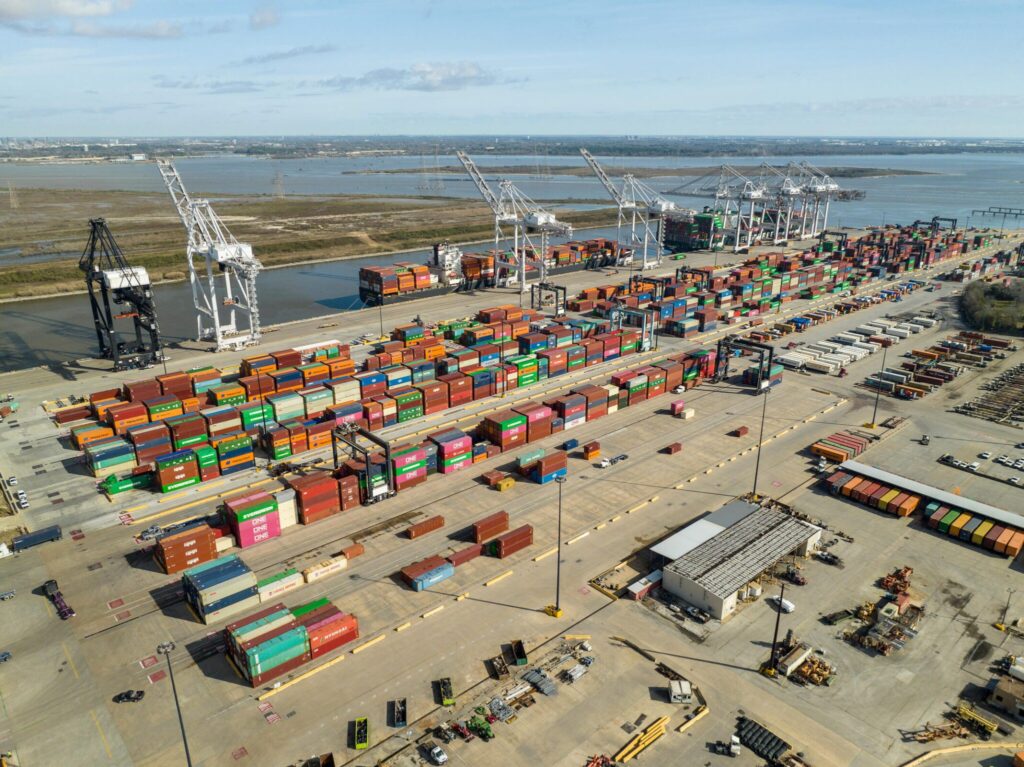
In the heart of Port Houston, a solemn incident unfolded in the early hours of Monday morning that sent shockwaves through the maritime community. The Panama-flagged M/V Stride, a veteran containership with a history dating back to 1997, became the focal point of a tragic fire at Barbours Cut Container Terminal. The aftermath left two crew members dead, and a third battling injuries. As the flames subsided, investigations kicked in, leaving us with perplexity surrounding the circumstances of this unexpected disaster.

Understanding the Tragedy: MV Stride’s Fiery Ordeal
Amid the humming activities of Port Houston’s Barbours Cut Container Terminal, the M/V Stride, managed by the Greek containership owner Danaos Corporation, found itself engulfed in a raging fire. The incident claimed the lives of two crew members, casting a somber shadow over the maritime landscape. The vessel, with a capacity of 2,174 TEUs, now stands as a poignant reminder of the perils that can unexpectedly unfold in the bustling ports.

FAQs

  • What caused the fire on the MV Stride?The exact cause is under investigation by the Harris County Fire Marshall, with circumstances yet to be clarified.
  • Who is managing the MV Stride?The Greek containership owner Danaos Corporation (NYSE: DAC) is responsible for the management of the MV Stride.
  • How is the Port Houston community responding to the tragedy?The community is in mourning, reflecting on the emotional toll of the incident that claimed two lives.

Sharing is caring!


Rent the Runway's Bold Restructuring: Navigating Growth in 2024

By Lake
January 6, 2024

Rent the Runway, a prominent designer rental service, has unveiled a strategic restructuring plan, disclosing a significant 10% reduction in its corporate workforce, affecting 37 roles. This bold move comes as the company aims to achieve an annualized run rate cash savings of $11 million to $13 million.

Navigating Challenges


The company acknowledges the challenges it faces, having reported a 6.3% decrease in revenue in December 2023 compared to the previous year. Active subscribers also saw a 2% decline year over year, and while the total subscriber count remained relatively stable, Rent the Runway recognizes the need for strategic adjustments.

 FAQs

  1. What prompted Rent the Runway’s restructuring plan?                                                                               The restructuring plan aims to align the company’s workforce and cost structure with its growth and profitability goals for the 2024 fiscal year.
  2. How will the restructuring impact Rent the Runway’s financials?                                                             Rent the Runway anticipates $11 million to $13 million in annualized run rate cash savings, with charges of $3 million to $4 million in the fourth quarter.


Sharing is caring!