Ecommerce News

China's June Export Surge Lifts Pre-Tariff Shipping Demand

By JiuFang Logistics
July 14, 2026

June Trade Results

China’s dollar-denominated exports increased 27% year over year in June 2026, while imports rose 36%, Reuters reported on July 14. The results exceeded forecasts and showed strong cross-border goods movement despite continued uncertainty in global trade.

What Drove the Increase

Reuters linked the export strength to demand generated by the artificial intelligence boom and to companies moving cargo before possible tariff changes. Earlier shipping can shift seasonal demand forward, concentrating bookings into a shorter period.

Impact on China Shipping

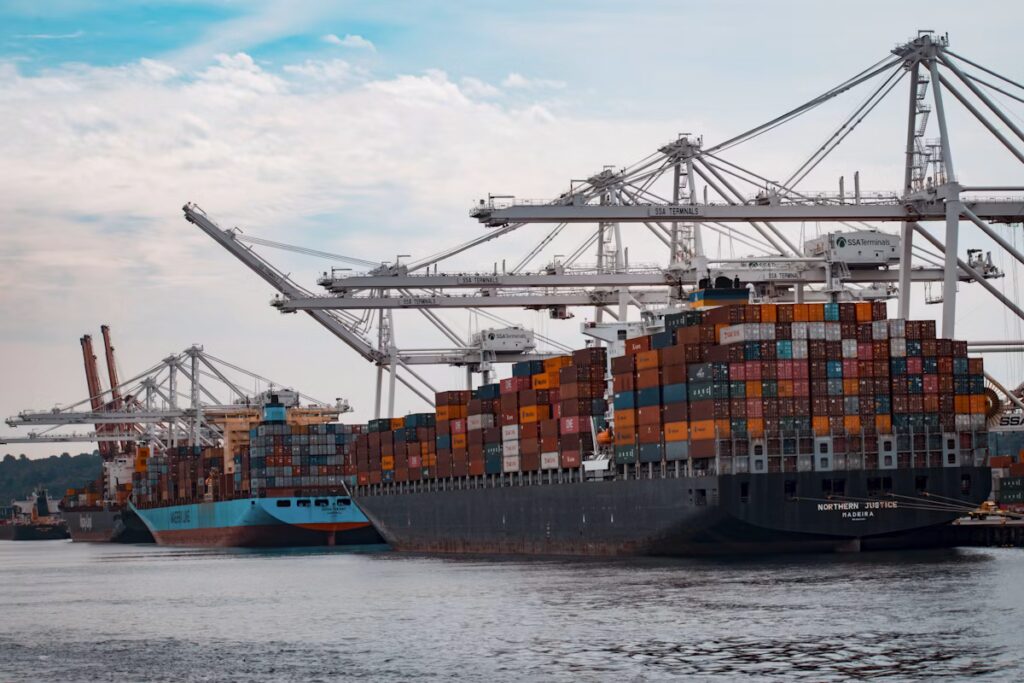
Higher export volumes increase demand for container space, port handling and air cargo capacity from China. Exporters serving the United States, Canada and the United Kingdom may face tighter sailing availability when many businesses advance orders at the same time.

Outlook for Shippers

The June data indicates that trade-policy deadlines can affect shipment timing as strongly as normal retail cycles. Businesses should monitor booking lead times, carrier capacity and customs requirements as front-loaded cargo moves through international networks.


Sources


China Ecommerce Platforms Gain Online Retail Share

By JiuFang Logistics
July 10, 2026

What Happened

WELT reported that Temu, Shein and AliExpress reached a record 5.3% share of German online retail sales in the second quarter. The report said sales from the three platforms rose more than 20% year over year.

The growth shows that China-linked marketplaces remain a major force in cross-border ecommerce, even as parcel rules and customs requirements change.

Why It Matters for China Ecommerce Shipping

Higher marketplace share means more demand for China-origin inventory, especially low-cost fashion, accessories, household items and consumer goods. Sellers need reliable export handling, customs data and destination delivery to keep products moving.

When ecommerce volume rises, delays in pickup, clearance or local delivery can quickly affect seller ratings and repeat purchases.

Seller Impact

China-based sellers should plan inventory around faster demand cycles. Popular SKUs may require earlier replenishment, better sales forecasting and more frequent shipment planning.

For sellers using platforms such as Temu, Shein or AliExpress, landed cost and delivery speed will remain central to competitiveness.

Outlook

The growth of China ecommerce platforms points to continued parcel and bulk-shipment demand. Logistics providers that support customs accuracy, consolidation and local delivery will remain important for cross-border sellers.

Sources


China Ecommerce Platforms Shift Logistics After New Parcel Rules

By JiuFang Logistics
July 9, 2026

What Happened

WELT reported on July 8 that new parcel rules are unlikely to stop the growth of Asian ecommerce platforms such as Temu, Shein and AliExpress. Larger sellers are expected to adapt by importing goods in consolidated shipments, clearing them in bulk and distributing orders locally.

The report said China-origin ecommerce remains a growing driver of parcel volumes at logistics hubs including Leipzig/Halle, where cross-border ecommerce logistics companies handle platform shipments.

Why It Matters for China Ecommerce Shipping

The shift from single low-value parcels to consolidated imports changes the logistics plan for China-based sellers. Instead of relying only on direct-to-consumer parcel flows, sellers may need bulk freight, customs support and destination-market fulfillment.

WELT also reported that Temu, Shein and AliExpress reached a record 5.3% share of German online retail sales in the second quarter, with sales up more than 20% year over year. That growth keeps demand high for China-to-Europe ecommerce shipping.

Seller Impact

Sellers shipping from China should review whether their model depends on individual parcel clearance, bulk import, local warehousing or a mix of all three. Each model changes cost, delivery speed and documentation requirements.

Accurate product descriptions, HS codes and customs values will be more important as platforms and logistics providers adjust to new clearance structures.

Logistics Outlook

China ecommerce is not slowing; it is reorganizing. Logistics providers that can combine China pickup, consolidated freight, customs clearance and local delivery will be better positioned as platforms move away from pure small-parcel direct shipping.

Sources


China Ecommerce Sellers Turn to Bulk Clearance and Local Warehousing

By JiuFang Logistics
July 9, 2026

What Happened

WELT reported that new parcel rules are expected to push larger Asian ecommerce platforms toward importing goods in bigger batches, clearing them in bulk and distributing them through local warehouses.

The report said this approach could help platforms such as Temu, Shein and AliExpress keep delivery flows moving despite tighter rules on small cross-border parcels.

Why It Matters for Cross-Border Ecommerce

The shift changes the logistics model for China sellers. Instead of sending every order as a direct small parcel, sellers may move more stock through consolidated freight, customs clearance and local fulfillment.

This can reduce per-order delivery friction, but it also requires better forecasting and more upfront inventory planning.

Seller Impact

Sellers should review which products are better suited for local warehouse stock and which can still move as direct parcels. High-volume, predictable SKUs may benefit most from bulk import and local delivery.

Accurate HS codes, product descriptions, customs values and inventory records become more important when goods are cleared in larger batches.

Logistics Outlook

For China-to-USA, China-to-EU, China-to-Australia and China-to-Canada ecommerce, the trend points toward hybrid logistics. Sellers will likely combine direct parcels, consolidated freight and destination-market warehousing to manage cost and delivery speed.

Sources


Walmart Price Cuts Add Cost Pressure for China-to-USA Sellers

By JiuFang Logistics
July 7, 2026

What Happened

Walmart announced broad price cuts in the United States on July 6, covering thousands of items across grocery, household goods, toys, apparel and seasonal products. Associated Press reported that Walmart and Sam’s Club described the rollbacks as a summer-season move for customers.

The Wall Street Journal reported that the cuts include lower prices on ground beef, cherries, Coca-Cola and other products, and that Walmart has emphasized cost-control policies such as lower tariffs and fuel prices when discussing affordability with federal officials.

Why It Matters for China-to-USA Shipping

Walmart’s pricing moves matter for China-to-USA ecommerce and import suppliers because the retailer sells high volumes of household goods, toys, apparel and seasonal products. Lower retail prices can raise pressure on suppliers and marketplace sellers to protect margins while keeping inventory available.

For China-origin goods, landed cost becomes more important. Freight rates, customs duties, storage fees and last-mile costs all affect whether sellers can support lower shelf prices without losing margin.

Seller Impact

China-based suppliers and Walmart marketplace sellers should review pricing, replenishment timing and fulfillment capacity. Fast-moving discounted products may need earlier booking, split shipments or US-based inventory to avoid stockouts.

Accurate customs documentation also matters. Delays at clearance can reduce the benefit of a promotion if goods arrive after demand peaks or miss seasonal sales windows.

Shipping Outlook

Walmart’s price cuts are not a shipping rule change, but they are a demand and margin signal. Sellers shipping from China to the United States should focus on predictable transit, clean import data and tighter landed-cost planning.

Sources


Amazon Australia Prime Day Extends China-to-Australia Ecommerce Demand

By JiuFang Logistics
July 6, 2026

What Happened

Amazon Australia Prime Day 2026 starts on July 7 and runs through July 13, making it a seven-day sales event. TechRadar reported on July 3 that early deals were already available before the official start.

The event covers categories including electronics, home appliances, beauty, fashion and Amazon devices. Getprice reported that Amazon Australia offers more than 200 million products across more than 30 categories.

Why It Matters for China-to-Australia Shipping

A longer Amazon sale window can stretch demand for ecommerce inventory, especially for sellers sourcing from China. Products tied to tech accessories, home goods, fashion and small appliances often depend on predictable cross-border replenishment before and during major marketplace events.

For China-based exporters and Amazon sellers, the key logistics pressure is timing. Inventory that misses the pre-sale window can lose ranking, sales velocity and delivery reliability during peak traffic.

Amazon Seller Impact

Sellers shipping from China to Australia should review stock levels, transit times and last-mile delivery promises. Fast-moving Prime Day items may need earlier replenishment, split shipments or local fulfillment to avoid stockouts during the seven-day promotion.

The extended event also increases the importance of accurate customs data and product classification. Delays at clearance can reduce the value of promotional pricing if goods arrive after demand peaks.

Outlook

Amazon Australia’s longer Prime Day points to stronger mid-year competition in ecommerce. For China-to-Australia sellers, the practical response is tighter inventory planning, earlier shipment scheduling and more reliable fulfillment support.

Sources


CPSC Recalls Multiple China-Made Products Sold on Amazon

By JiuFang Logistics
July 3, 2026

What Happened

The U.S. Consumer Product Safety Commission issued several July 2, 2026 recalls and safety warnings involving China-made consumer products sold through Amazon or other U.S. e-commerce channels.

The products covered toys with accessible button cell batteries, nursing pillows, baby loungers, lithium coin batteries and pool drain ports. The cases show that product safety documentation is now a core issue for cross-border e-commerce, not only a post-sale customer service issue.

Amazon Products Named by CPSC

CPSC recalled about 62,490 POPOOO Jungle Safari LED Finger Lights sold on Amazon because children could access button cell batteries. The retailer was Shenzhen Bopu Product Design Co., Ltd., dba POPOOO, of China.

CPSC also recalled 4,008 AMASKY Nursing Pillows sold on Amazon by Xishentang Dongguan Trading Co., Ltd., dba Pretty-Life, of China. The products violated mandatory standards for nursing pillows and infant support cushions.

Junpower CR2032 lithium coin batteries sold on Amazon by JSNJ_Tech Store were recalled because the packaging was not child-resistant and lacked required warnings under Reese’s Law. The importer was Changzhou Niujie Battery Technology Co., Ltd., dba JSNJ_Tech, of China.

Other July 2 actions included VEVOR baby loungers sold on VEVOR.com, Amazon.com and Wayfair.com, and Topyond pool drain ports sold on Amazon by Changsha Jiali Duo Technology Co., Ltd., dba Topyond, of China.

Why It Matters for China-Based Sellers

China-based sellers shipping to Amazon FBA, U.S. private warehouses or direct U.S. customers should treat CPSC compliance as part of the shipment planning process. Regulated products can face recalls, listing removals, refunds, platform enforcement and customs delays if safety records are missing or inaccurate.

High-risk categories include toys, children’s products, infant sleep products, button or coin batteries, lithium battery goods and pool or outdoor safety products.

Shipping and Compliance Actions

Before shipping from China to the United States, sellers should confirm whether each SKU needs a Children’s Product Certificate, General Certificate of Conformity, test report, tracking label, warning label, battery packaging documentation or other safety file.

Freight planning should include compliance checks before cargo leaves China. Sellers should align product data, HS codes, supplier records, test reports and Amazon compliance submissions before booking air freight, ocean freight, Amazon FBA replenishment or small parcel delivery.

Sources


Amazon to Show Import Charges as EU €3 Parcel Fee Begins

By JiuFang Logistics
July 2, 2026

What Happened

The European Union started a €3 fee on low-value e-commerce parcels imported from China on July 1, 2026, according to Reuters. The fee applies to parcels that previously entered the EU duty-free under the €150 low-value import threshold.

Reuters reported that the EU recorded 5.8 billion sub-€150 e-commerce shipments in 2025, up from 1.4 billion in 2022, with the surge linked to platforms and sellers using direct-to-consumer parcel shipping from China.

Amazon's Response

Amazon, which launched Amazon Haul as a low-cost shopping service to compete with Shein and Temu, said 97% of its EU shipments last year were fulfilled from warehouses inside the bloc, according to Reuters.

For products shipped from outside the EU, Amazon said customers would be shown import charges before checkout. This makes landed cost more visible to buyers before they complete a purchase.

Why It Matters for China-Based Amazon Sellers

China-based sellers using Amazon Europe should review whether their products are fulfilled locally in the EU or shipped directly from China or another non-EU country. Products shipped from outside the EU may become less competitive if import charges are shown during checkout.

The change affects pricing, conversion rate, margin planning and delivery promises for low-value products. Sellers should also review HS codes, product descriptions, declared values, VAT handling and IOSS-related data.

FBA and FBM Fulfillment Actions

Amazon sellers should compare direct FBM parcel shipping with bulk replenishment to Amazon FBA Europe or local EU warehouses. For repeat-selling SKUs, local stock can reduce checkout friction and avoid parcel-level import charges being shown to customers at delivery or checkout.

For urgent inventory, sellers may still use air freight from China to Europe. For stable-demand SKUs, ocean freight or consolidated air freight to EU fulfillment centers may lower per-unit logistics cost and improve delivery reliability.

Sources


EU €3 Duty Starts on Low-Value E-commerce Parcels from July 1

By JiuFang Logistics
July 1, 2026

What Happened

The European Union starts a temporary €3 customs duty on low-value parcels imported from outside the EU on July 1, 2026. The measure applies to e-commerce goods worth up to €150, including common online categories such as clothing, toys, electronics and other consumer goods.

The European Commission says the change is intended to improve fairness and safety in a market where millions of low-value parcels enter the EU every day.

How the New Duty Works

The €3 duty applies per item based on tariff classification, not simply per package. The temporary duty is scheduled to remain in place until July 1, 2028, when the EU’s broader customs reform is expected to replace it with normal customs duties by product type.

Reuters also reported that France is suspending its separate €2 charge on low-value packages from outside the EU as the EU-wide fee begins. A further EU administration fee is expected to raise the total charge to €5 from November.

Why It Matters for China E-commerce Sellers

The rule directly affects China-based sellers and platforms using direct parcel shipping into Europe, including business models similar to Shein, Temu and AliExpress. Low-value parcel economics will change because duty now becomes part of the landed-cost calculation.

Sellers that previously priced EU orders around duty-free direct shipping should review product margins, checkout pricing, VAT handling, customs data and return policies.

Shipping and Fulfillment Impact

Direct small parcel shipping may remain workable for some products, but the new duty increases the importance of correct HS codes, product descriptions, declared values and IOSS-related data.

For repeat-selling SKUs, China-based sellers should compare direct parcel delivery with bulk replenishment to EU warehouses, Amazon FBA Europe or third-party fulfillment centers. Consolidated air freight or ocean freight may reduce per-unit logistics pressure when parcel-level duty and handling costs rise.

Sources


U.S. Retailers Frontload China Orders Ahead of Holiday Season

By JiuFang Logistics
June 30, 2026

What Happened

U.S. retailers are bringing forward orders from China by four to six weeks to secure inventory for Black Friday and Christmas before possible tariff changes later this year, according to Reuters reporting on June 30.

Shipping executives told Reuters that China-to-U.S. volumes in May and June were higher than expected. The usual July-to-September holiday shipping peak has started earlier as retailers move inventory ahead of potential cost increases.

China-to-U.S. Shipping Rates Rise

Drewry’s World Container Index for June 25 showed spot rates from Shanghai to New York rising 6% to USD 7,149 per 40-foot container, while Shanghai to Los Angeles increased 12% to USD 5,750 per 40-foot container.

Drewry said importers continued frontloading shipments ahead of possible tariff changes and higher bunker-related costs. It also noted tight Transpacific capacity and expected rates to rise further in the coming weeks.

Why Retailers Are Moving Earlier

Reuters reported that U.S. retailers are responding to tariff uncertainty, holiday inventory needs and tighter vessel space. Key China-origin exports in May included smartphones, lithium-ion batteries, solid-state drives, toys, kitchenware and festival products.

Early orders also included back-to-school goods, Christmas inventory and soccer World Cup-related products such as jerseys, flags, souvenirs and large-screen TVs.

What China Exporters Should Do

Exporters and e-commerce sellers shipping from China to the United States should book space earlier, review landed-cost assumptions and separate urgent replenishment from bulk inventory.

Amazon FBA, Walmart WFS, Shopify and private-warehouse sellers should check inventory deadlines, choose between air and ocean based on stockout risk, and confirm whether peak season surcharges affect current quotes before booking shipments.

Sources