Logistics News

UPS Cuts 2 Million Daily Amazon Packages and Raises 2026 Outlook


By JiuFang Logistics
July 29, 2026

UPS Completes Amazon Volume Reduction

The planned volume reduction marks a significant change in the relationship between one of the largest US parcel carriers and the country’s largest online retailer. Amazon now represents about 9% of UPS business, according to reporting on the carrier’s July 28 results. At the pandemic-era peak, Amazon generated more than 13% of UPS revenue.

UPS has characterized the removed packages as lower-yield volume. Amazon has built substantial in-house delivery capacity and is particularly strong in lightweight, short-distance urban deliveries. UPS is placing greater emphasis on business-to-business shipments, healthcare logistics and other time-sensitive services that make broader use of its network.

Revenue Forecast Moves Higher

UPS reported second-quarter revenue of $22.8 billion, an increase of 7.6% from the same period a year earlier. It raised its expected full-year 2026 revenue to approximately $91.2 billion, up from its previous forecast of $89.7 billion.

The results suggest that the carrier is prioritizing revenue quality over parcel count. For the wider ecommerce market, the shift also shows how major retailers’ delivery networks and national parcel carriers continue to divide US last-mile volume.

What China-Based Amazon Sellers Should Watch

China-based Amazon sellers should monitor the carrier shown in customer tracking, delivery promises by region and any changes in transit performance during peak periods. A different mix of Amazon Logistics, UPS and other carriers can affect the final domestic leg after an order is placed.

The UPS announcement does not by itself change China-to-US customs procedures, international freight rates or Amazon FBA inbound requirements. Sellers shipping inventory from China to US fulfillment centers should continue to plan around Amazon appointment rules, inventory receiving times and their own ocean or air freight schedules. The immediate change concerns US parcel delivery capacity rather than the international movement of FBA inventory.

Sources


eBay International Shipping Reaches UK Sellers in August

By JiuFang Logistics
July 28, 2026

UK Rollout Starts in August

eBay will begin enrolling eligible UK sellers in eBay International Shipping in phases from August 2026. The service replaces the Global Shipping Programme for enrolled listings and expands seller access from 105 countries to more than 195 countries and territories.

ChannelX reported the expansion on July 22, following earlier launches in the United States and Canada. The programme is open to private and business sellers, and eBay says international selling fees will be waived for orders shipped through the service.

How eBay International Shipping Works

Participating sellers send sold items to eBay’s UK hub. eBay then manages customs documentation, duty and tax calculations, international delivery, carrier coordination, end-to-end tracking and post-sale support.

Buyers pay the international shipping charge and applicable import fees at checkout. Once an item is scanned at the hub, eBay says the seller’s payout is protected. eBay also handles international returns and lost or damaged item claims. Eligible listings will move to the service automatically when a seller’s account is enrolled.

Planning China-to-UK Inventory

The programme simplifies delivery from the UK hub to overseas buyers, but it does not cover upstream inventory movement from China to the United Kingdom. China-based suppliers and UK eBay businesses must still arrange production, freight, customs clearance and delivery into UK inventory before customer orders can be sent to the hub.

Importers should separate the two transport stages when calculating landed cost and stock lead times. They should also wait for eBay’s enrolment confirmation and check product and destination eligibility before changing shipping settings or inventory plans.

Sources


Chinese Sellers Reach 55.9% of Amazon.com's Top 10,000

By JiuFang Logistics
July 28, 2026

Chinese Seller Share Rises

Chinese merchants now account for 55.9% of the top 10,000 sellers on Amazon.com, according to Marketplace Pulse data published July 9. Their share was 42.5% in July 2020, representing a gain of 1,342 positions over six years.

US sellers moved in the opposite direction. Their share fell from 53.7% to 40.5%, a loss of 1,320 positions. Marketplace Pulse also found that 68.6% of the current top sellers were in the cohort one year ago, showing that the overall rate of turnover has remained relatively stable even as the seller mix changed.

US Sellers Retain the GMV Lead

Seller count does not equal sales value. US merchants generated 65.3% of gross merchandise value within the top 10,000 group, compared with 28.6% for Chinese sellers.

The difference was larger at the highest ranks. US sellers represented 81.4% of the top 100 and generated 93.2% of that group’s GMV. Marketplace Pulse reported an average selling price of $47.62 for US sellers in the top 100, versus $22.03 for Chinese sellers.

What the Data Means for Shipping

The figures show that Chinese sellers have built broad representation across Amazon.com’s leading merchant base, while the highest-value positions remain concentrated among US businesses. For China-based sellers, expanding rank still requires inventory availability, competitive pricing and consistent delivery performance.

Shipping plans should match stock to verified demand rather than seller-count trends alone. Exporters using US fulfillment networks should account for production lead time, international transport, customs clearance and replenishment buffers before placing inventory. The data signals stronger Chinese participation on Amazon, but it does not guarantee sales for any individual product or seller.

Sources


Seattle-Tacoma Container Volumes Fall 12.4% in New Shipping Update

By JiuFang Logistics
July 27, 2026

Container Volumes Decline

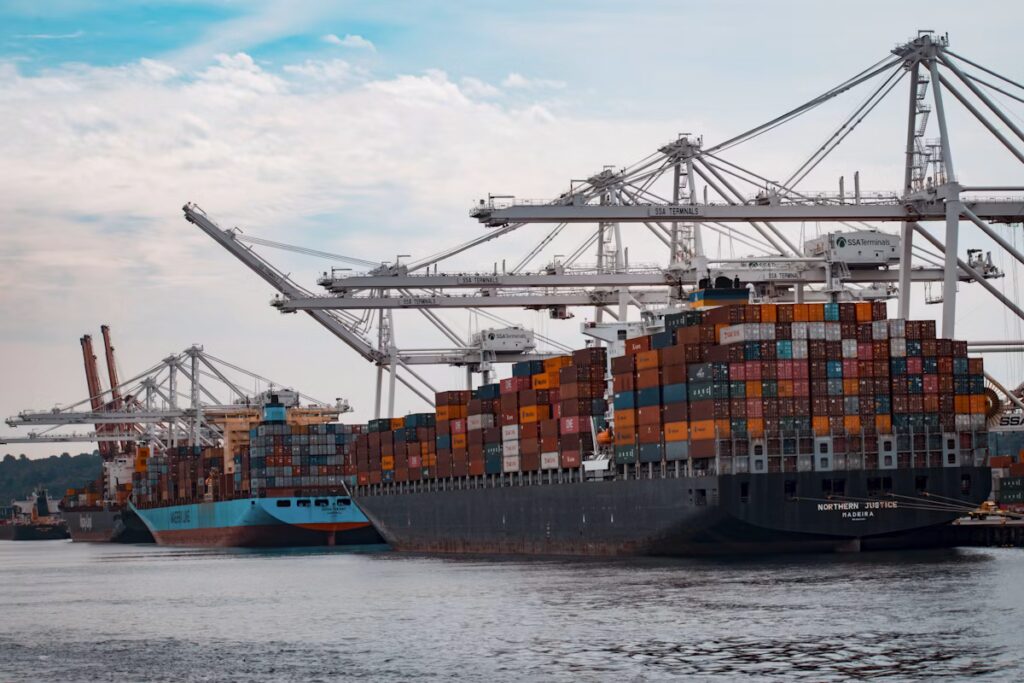
The Northwest Seaport Alliance reported year-to-date container throughput of 1,433,525 TEU at the ports of Seattle and Tacoma, down 12.4%, according to a July 24 report from WorldCargo News. The two ports form a major US gateway for transpacific international shipping.

The decline indicates that less containerized cargo moved through the gateway than in the same period a year earlier. The published figures measure total port throughput; they do not by themselves identify a single cause or show the performance of every individual trade lane.

Imports Lead the Drop

Full import containers were down 13.9% year to date, a steeper decline than the 1.2% decrease in full exports. Despite the export decline, full export volume remained 1.8% above the gateway’s five-year average.

The difference between imports and exports is important for capacity planning. Lower inbound volumes can change vessel space, equipment positioning and inland transport demand, but the figures do not guarantee lower freight rates or faster terminal handling.

What China-US Shippers Should Watch

China-origin importers using Seattle or Tacoma should monitor carrier schedules, blank sailings, container availability and rail connections before committing cargo. Port-wide volume weakness can lead carriers and terminals to adjust operations even when an individual shipment remains on schedule.

Shippers should compare Pacific Northwest routings with other US gateways using total landed cost, delivery location and inland transit requirements. Booking decisions should rely on current sailing and terminal data, not the headline volume decline alone.

Sources


China-Europe Arctic Container Service Adds New International Shipping Option

By JiuFang Logistics
July 27, 2026

A Weekly Arctic Service

Chinese shipping company Sea Legend plans to launch a weekly China-Europe container service through the Arctic in 2026, WorldCargo News reported on July 20. The publication described it as the first regular weekly service of its kind. Earlier container voyages on the Arctic route were limited to individual trial sailings.

The move shifts the route from an experimental voyage model toward a published service concept. That distinction matters to exporters because regular frequency is a basic requirement for incorporating any route into repeat international shipping schedules.

Why the Route Matters

A scheduled Arctic connection would add another option alongside established ocean services between China and Europe. It does not replace those networks, and the report did not publish full details on port rotation, cargo cutoffs, capacity or end-to-end transit time.

The service also operates in a region where ice conditions and seasonal navigation can affect reliability. Chinese exporters should therefore assess the route on confirmed schedules and operating terms rather than on distance alone.

Planning International Shipments

Before booking, shippers should verify origin and destination ports, sailing windows, container availability, insurance conditions and contingency arrangements. Cargo owners should also compare the complete landed cost with conventional services, including inland transport and any transshipment.

For time-sensitive China-Europe cargo, the key test will be whether the weekly schedule produces dependable delivery performance over multiple sailings. The launch expands the international shipping market, but commercial viability will depend on operating data once service begins.

Sources


Hutchison Ports Signs China Logistics Deals With Midea and TCL

By JiuFang Logistics
July 14, 2026

Two Manufacturing Logistics Agreements

Hutchison Ports has signed two manufacturing logistics agreements in China with appliance maker Midea and electronics group TCL, Seatrade Maritime News reported on July 10. The deals connect a major global port operator with two of China’s largest manufacturing exporters.

Why the Deals Matter

Direct cooperation between manufacturers and terminal operators can improve coordination across factory dispatch, storage, port handling and vessel loading. The agreements show how large Chinese exporters are linking production planning more closely with outbound logistics.

Impact on China Export Logistics

Closer port integration may help manufacturers manage high-volume shipments and respond faster to changing overseas demand. For suppliers shipping from China to the United States, Canada and the United Kingdom, the development reinforces the value of early bookings and accurate cargo forecasts when major exporters are moving large volumes.

Sources


China's June Export Surge Lifts Pre-Tariff Shipping Demand

By JiuFang Logistics
July 14, 2026

June Trade Results

China’s dollar-denominated exports increased 27% year over year in June 2026, while imports rose 36%, Reuters reported on July 14. The results exceeded forecasts and showed strong cross-border goods movement despite continued uncertainty in global trade.

What Drove the Increase

Reuters linked the export strength to demand generated by the artificial intelligence boom and to companies moving cargo before possible tariff changes. Earlier shipping can shift seasonal demand forward, concentrating bookings into a shorter period.

Impact on China Shipping

Higher export volumes increase demand for container space, port handling and air cargo capacity from China. Exporters serving the United States, Canada and the United Kingdom may face tighter sailing availability when many businesses advance orders at the same time.

Outlook for Shippers

The June data indicates that trade-policy deadlines can affect shipment timing as strongly as normal retail cycles. Businesses should monitor booking lead times, carrier capacity and customs requirements as front-loaded cargo moves through international networks.

Sources


China Ecommerce Platforms Gain Online Retail Share

By JiuFang Logistics
July 10, 2026

What Happened

WELT reported that Temu, Shein and AliExpress reached a record 5.3% share of German online retail sales in the second quarter. The report said sales from the three platforms rose more than 20% year over year.

The growth shows that China-linked marketplaces remain a major force in cross-border ecommerce, even as parcel rules and customs requirements change.

Why It Matters for China Ecommerce Shipping

Higher marketplace share means more demand for China-origin inventory, especially low-cost fashion, accessories, household items and consumer goods. Sellers need reliable export handling, customs data and destination delivery to keep products moving.

When ecommerce volume rises, delays in pickup, clearance or local delivery can quickly affect seller ratings and repeat purchases.

Seller Impact

China-based sellers should plan inventory around faster demand cycles. Popular SKUs may require earlier replenishment, better sales forecasting and more frequent shipment planning.

For sellers using platforms such as Temu, Shein or AliExpress, landed cost and delivery speed will remain central to competitiveness.

Outlook

The growth of China ecommerce platforms points to continued parcel and bulk-shipment demand. Logistics providers that support customs accuracy, consolidation and local delivery will remain important for cross-border sellers.

Sources


China Ecommerce Platforms Shift Logistics After New Parcel Rules

By JiuFang Logistics
July 9, 2026

What Happened

WELT reported on July 8 that new parcel rules are unlikely to stop the growth of Asian ecommerce platforms such as Temu, Shein and AliExpress. Larger sellers are expected to adapt by importing goods in consolidated shipments, clearing them in bulk and distributing orders locally.

The report said China-origin ecommerce remains a growing driver of parcel volumes at logistics hubs including Leipzig/Halle, where cross-border ecommerce logistics companies handle platform shipments.

Why It Matters for China Ecommerce Shipping

The shift from single low-value parcels to consolidated imports changes the logistics plan for China-based sellers. Instead of relying only on direct-to-consumer parcel flows, sellers may need bulk freight, customs support and destination-market fulfillment.

WELT also reported that Temu, Shein and AliExpress reached a record 5.3% share of German online retail sales in the second quarter, with sales up more than 20% year over year. That growth keeps demand high for China-to-Europe ecommerce shipping.

Seller Impact

Sellers shipping from China should review whether their model depends on individual parcel clearance, bulk import, local warehousing or a mix of all three. Each model changes cost, delivery speed and documentation requirements.

Accurate product descriptions, HS codes and customs values will be more important as platforms and logistics providers adjust to new clearance structures.

Logistics Outlook

China ecommerce is not slowing; it is reorganizing. Logistics providers that can combine China pickup, consolidated freight, customs clearance and local delivery will be better positioned as platforms move away from pure small-parcel direct shipping.

Sources


China Ecommerce Sellers Turn to Bulk Clearance and Local Warehousing

By JiuFang Logistics
July 9, 2026

What Happened

WELT reported that new parcel rules are expected to push larger Asian ecommerce platforms toward importing goods in bigger batches, clearing them in bulk and distributing them through local warehouses.

The report said this approach could help platforms such as Temu, Shein and AliExpress keep delivery flows moving despite tighter rules on small cross-border parcels.

Why It Matters for Cross-Border Ecommerce

The shift changes the logistics model for China sellers. Instead of sending every order as a direct small parcel, sellers may move more stock through consolidated freight, customs clearance and local fulfillment.

This can reduce per-order delivery friction, but it also requires better forecasting and more upfront inventory planning.

Seller Impact

Sellers should review which products are better suited for local warehouse stock and which can still move as direct parcels. High-volume, predictable SKUs may benefit most from bulk import and local delivery.

Accurate HS codes, product descriptions, customs values and inventory records become more important when goods are cleared in larger batches.

Logistics Outlook

For China-to-USA, China-to-EU, China-to-Australia and China-to-Canada ecommerce, the trend points toward hybrid logistics. Sellers will likely combine direct parcels, consolidated freight and destination-market warehousing to manage cost and delivery speed.

Sources